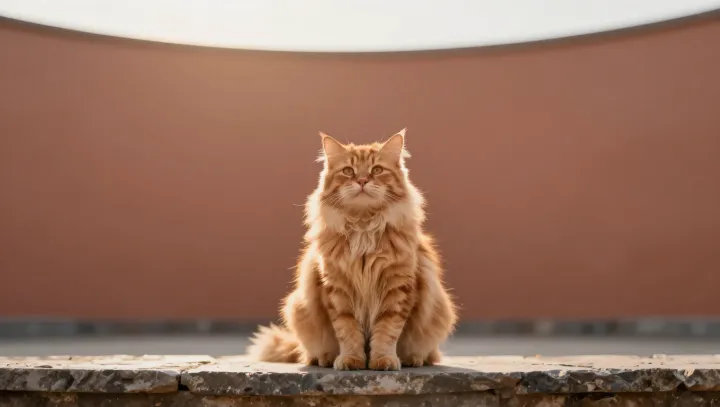
A small, sleeping cat often does more for human stress than elaborate wellness routines. Researchers point first to the autonomic nervous system: stroking a cat activates the parasympathetic nervous system, shifting the body from a fight‑or‑flight state toward rest‑and‑digest. Heart rate and blood pressure drop as vagal tone increases, without the cognitive effort many guided techniques demand.
At the same time, physical contact with soft fur and rhythmic purring is linked to lower cortisol and higher oxytocin. This hormone mix nudges the amygdala away from constant threat detection and dampens chronic hyperarousal. Unlike structured breathing exercises, the cat supplies continuous sensory cues, so the human brain does not need to remember instructions or maintain performance.
There is also a metabolic angle. Humans with elevated baseline cortisol and heightened sympathetic drive face a high allostatic load; active relaxation can feel like another task competing for limited cognitive bandwidth. A cat collapses that decision tree. The animal models unwavering calm, offers predictable touch and sound, and creates a stable, low‑entropy micro‑environment that the human nervous system can mirror with minimal energy cost.