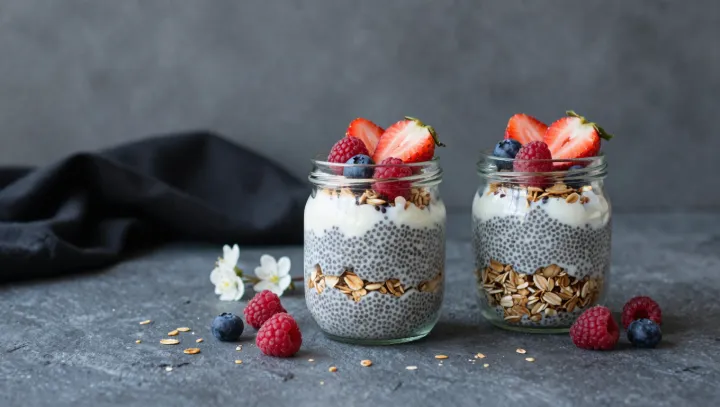
On a kitchen counter, a bowl of common fruit already assembles a quiet repair kit for the body, long before any supplement bottle enters the frame. Nutrition research now portrays familiar apples, berries, citrus, and bananas as overlapping tools that act on the same physiological systems, rather than as single vitamin sources competing for attention.
Apples, especially with their peel, deliver soluble fiber in the form of pectin along with polyphenols that influence endothelial function and low density lipoprotein oxidation, both core to cardiovascular risk profiles. The same pectin reaches the colon largely intact, where it is fermented by gut microbiota into short chain fatty acids such as butyrate, linked to improved gut barrier integrity and local immune signaling.
Berries compress multiple levers into each serving: anthocyanins and other flavonoids interact with oxidative stress pathways and nitric oxide bioavailability, while their fiber fraction also feeds beneficial bacterial genera. Citrus fruit contributes vitamin C at levels that support normal neutrophil activity, collagen synthesis, and antioxidant defense, but the often ignored white pith contains hesperidin and other flavanones that add another layer of vascular modulation.
Bananas, frequently reduced to a single electrolyte headline, couple potassium for blood pressure regulation with resistant starch that behaves like a slow release substrate for colonic fermentation. Across these fruit types, the same bite can simultaneously influence lipid metabolism, blood pressure, microbial composition, and mucosal immunity, turning routine snacks into modest but persistent system maintenance.