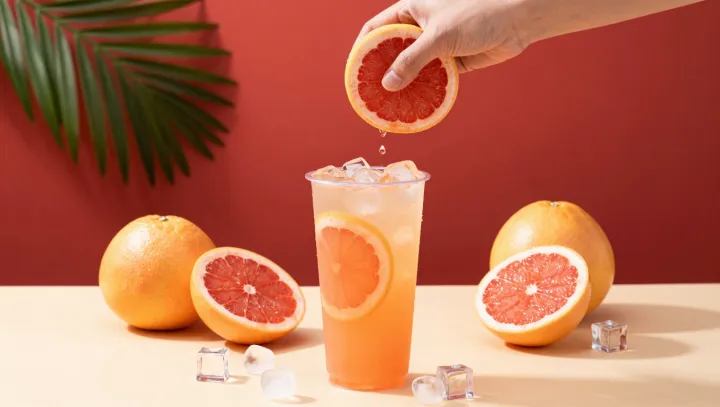
A glass of fruit juice can drive blood glucose almost as sharply as soda, while the same fruit in its intact form produces a far slower rise. The difference is not the sugar itself but the way the body encounters it.
Juicing strips away most dietary fiber and destroys the cellular structure that normally cages fructose and glucose inside plant cell walls. Once that scaffolding is gone, the stomach empties faster, intestinal absorption accelerates, and the glycemic response shoots up. Pancreatic beta cells respond with a rapid burst of insulin secretion, and hepatic de novo lipogenesis can increase when large sugar loads arrive in a short window.
Whole fruit works more like a slow‑release capsule because viscous soluble fiber increases gastric emptying time and forms a gel that physically limits contact between sugars and the intestinal epithelium. Chewing also matters: mechanical effort and a lower eating rate give hormonal signals such as GLP‑1 and peptide YY more time to modulate appetite and insulin dynamics. Calorie counts may look similar on a label, but the metabolic pathway and the effective glycemic index diverge. For people managing insulin resistance or aiming to protect their metabolic health, the form of fruit becomes a quiet yet powerful variable.