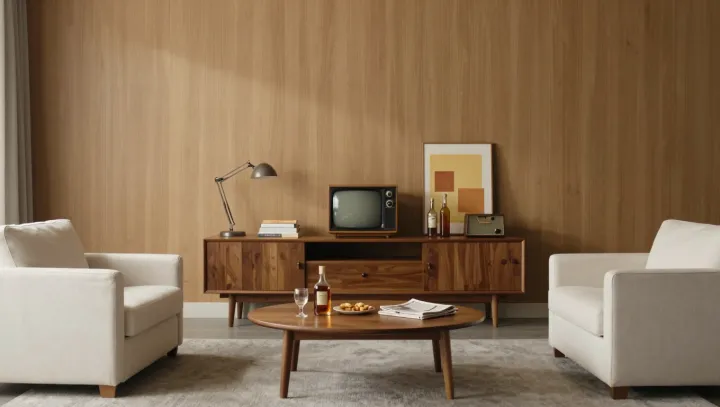
Bare space hits the eye first: a low sofa, a table, light, almost nothing else. What looks like absence is actually strategy. In high-functioning minimalist homes, every missing chair, shelf, or gadget has been removed to protect attention and streamline daily movement. The result is not aesthetic purity for its own sake, but a deliberate edit that turns the room into a tool for living instead of a storage unit for impulse purchases.
Designers talk about reducing cognitive load and decision fatigue the way nutritionists talk about basal metabolic rate. Objects do not just sit there; they constantly ask for dusting, fixing, sorting, remembering. By cutting the object count to what habits really demand, the space lowers mental noise and frees working memory. Storage is planned like an information architecture: items are placed at points of use, circulation paths stay clear, and visual fields stay open so the brain can map the room instantly.
This restraint also manages entropy. Instead of fighting endless clutter, the layout builds a quiet feedback loop: when something new enters, something old must justify its place or leave. Over time, the home becomes a living diagram of its owner’s priorities, where emptiness is not a lack but a reserved capacity for whatever needs to matter next.