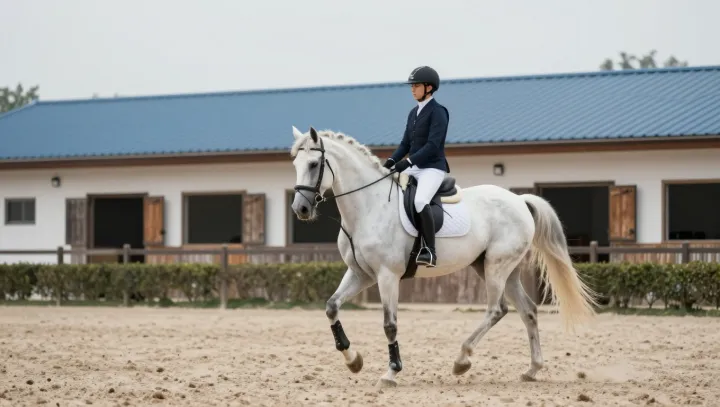
The saddle becomes a communication device long before a novice learns how to hold the reins. Every micro‑adjustment in a rider’s center of gravity and muscle tone travels through the horse’s spine and ribcage as clear, physical data. In a prey animal wired for rapid threat detection, those weight shifts register faster than any conscious command.
Equine trainers increasingly frame riding as a nervous‑system dialogue rather than a strength contest. Concepts such as proprioception and muscle spindle reflexes explain why a slight tilt of the pelvis or a change in core tension can alter a horse’s gait, heart rate and startle threshold. Because a horse’s sensory system evolved for survival, inconsistent pressure, asymmetrical balance or rigid joints are interpreted as noise, risk or even danger, while steady, predictable inputs create a kind of low‑entropy channel the animal can safely follow.
This perspective is reshaping entry‑level riding lessons. Instead of starting with how to steer, many programs now begin with breath control, postural alignment and basic motor patterns that reduce unnecessary tension. By treating the rider’s body as the first aid, not the helmet or the bit, instructors aim to lower arousal levels in both species and turn that half‑ton prey animal into a partner reading signals rather than resisting force.