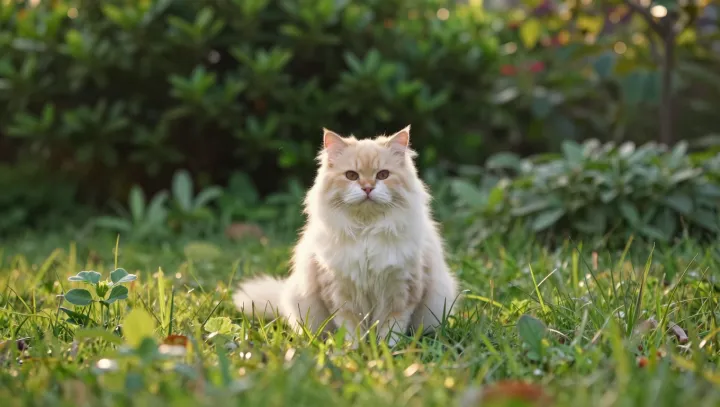
Quiet air in a living room can be as potent as any therapy session. When that quiet is broken by a low, steady voice aimed at a cat, endocrinologists argue the human body often responds before the animal does, with cortisol drifting downward and the autonomic nervous system easing its grip on heart and breath.
The bold claim is that baby talk for pets is not sentimental fluff but behavioral training in slow motion. Studies using salivary cortisol and heart rate variability show that humans speaking gently to companion animals tend to enter a calmer physiological state, while repeated pairing of that same tone with nonthreatening touch and predictable routines creates classical conditioning in the cat, teaching the auditory cortex and amygdala that this specific vocal pattern signals safety, not threat.
More provocative still is the idea that the cat becomes an active co‑regulator of its owner’s stress. As the animal learns to approach, blink slowly, or settle when it hears that familiar cadence, the human receives visual feedback that further activates oxytocin release and dampens the hypothalamic pituitary adrenal axis, turning an ordinary chat on the sofa into a closed loop between mammal brains in which a quiet voice becomes both the cause and the confirmation of shared calm.