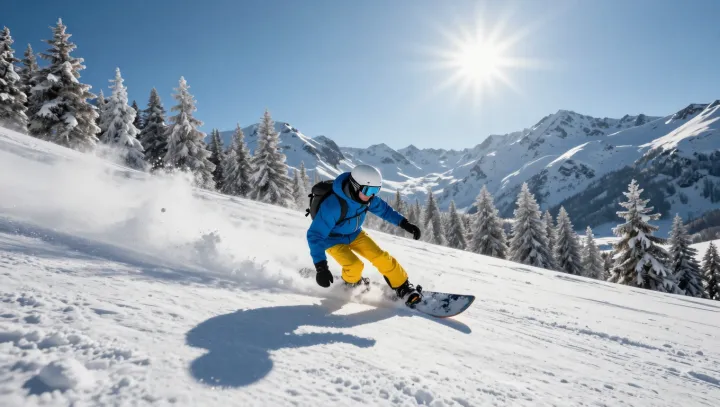
Snow, not speed, is what usually wins against beginners. At low velocity skis lose directional stability, boots stop tracking cleanly, and the body starts to sway over a narrow base. High-speed collisions are dramatic, yet most novice injuries come from slow, twisting falls where knees rotate while skis stay caught in soft snow or on the uphill edge.
The harsh truth is simple. Going too slow forces beginners into a defensive posture that destroys biomechanics; hips drop back, center of mass drifts behind the feet, and torque loads the anterior cruciate ligament when a ski tip hooks. Sports medicine data show that non-contact, low-speed valgus rotation is a classic pattern for knee damage, while straight-line high speed, on green terrain, rarely produces the catastrophic crash they imagine.
Fixing this starts on day one, not after confidence appears. A qualified coach in a small group can run short, slightly faster glides that keep skis carving a clean arc, while drilling stance, ankle flexion and fore-aft balance. With only a few students, the coach can give real-time external focus cues, adjust boot alignment, and stop the habitual snowplow that locks joints. Slightly higher, controlled speed then becomes a tool: it stabilizes the skis, smooths turn initiation, and quietly removes the very imbalance that was sending beginners to the clinic.