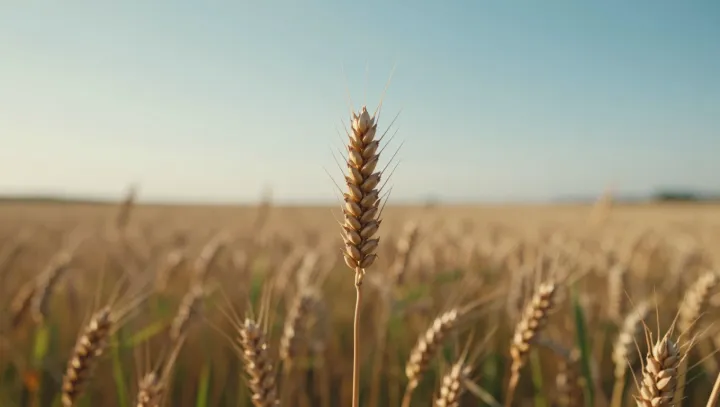
A single wild grain did not just feed early farmers; it still sits inside almost every slice of bread. Long before modern fields, wild einkorn grass with small brittle spikes grew on rocky hills, its seeds shattering easily and resisting human control, yet carrying a compact A genome that would become agriculture’s most copied genetic file.
The bold claim is this: bread wheat is less an invention than a layered merger, and einkorn is the first and most stubborn shareholder. Through early domestication, humans selected plants with non‑shattering rachis and larger caryopses, locking favorable alleles into the einkorn A genome. Later, spontaneous hybridization between a domesticated einkorn‑like grass and a wild goatgrass added a B genome, forming tetraploid emmer wheat. Another hybridization with a second goatgrass line supplied a D genome, creating hexaploid bread wheat, yet that original A genome from einkorn still anchors chromosome structure, gluten‑related loci, and many yield‑linked quantitative trait loci.
What matters is not nostalgia for an old grain but recognition of a quiet monopoly. Most global wheat cultivars still rely on that einkorn‑derived A genome for basic traits such as seed development, endosperm starch composition, and disease‑response pathways described in quantitative genetics and comparative genomics. Plant breeders now mine einkorn accessions in gene banks to reintroduce alleles for drought tolerance and micronutrient density back into elite lines, effectively returning to the first domesticated grain to repair its own vast descendants.