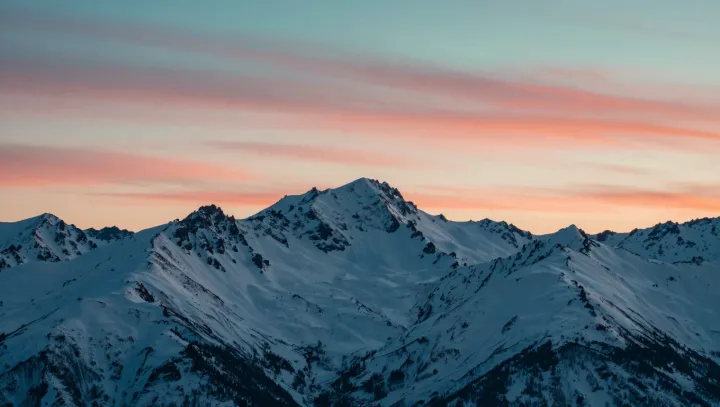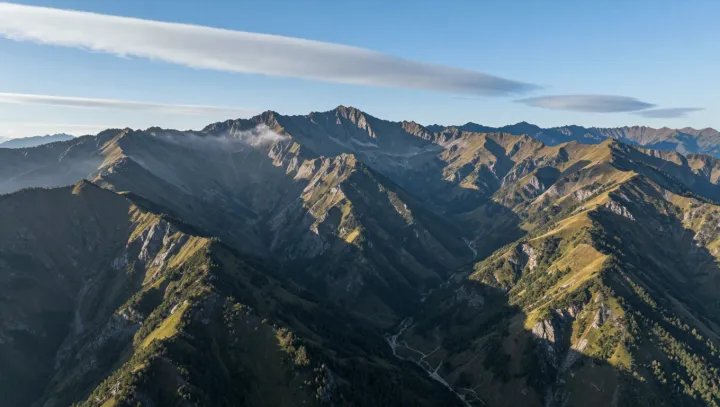
Names rarely win this kind of fight, yet one story pushed geography into second place. A tight cluster of Himalayan peaks once carried technical labels used by surveyors and mountaineers, but the local tale of four beautiful sisters who froze into guardians of their valley proved more durable than any grid reference or contour line on a topographic sheet.
What looks like simple folklore is, in practice, a masterclass in toponymy and narrative power. The legend assigns each summit a distinct personality and moral role, so visitors do not just see four ridges; they read an ordered set of sisters, tallest to smallest, bound by sacrifice and loyalty. That character mapping works like a mental schema, a cognitive shortcut that makes the massif easier to remember, to market, and to photograph, reinforcing the shared habit of calling it Four Girls Mountain.
Tourism has only deepened this narrative lock-in. Guidebooks, trail signs, and promotional images repeat the sister motif so relentlessly that the folk plot now functions as a kind of user interface for the terrain, telling hikers which peak is shy, which is bold, which is wise, which is gentle. Cartographic nomenclature survives in expedition reports, but on postcards and social feeds the sisters dominate, proof that a single well-aimed legend can outcompete technical language and keep reshaping how people frame every new image of the same four slabs of rock and ice.