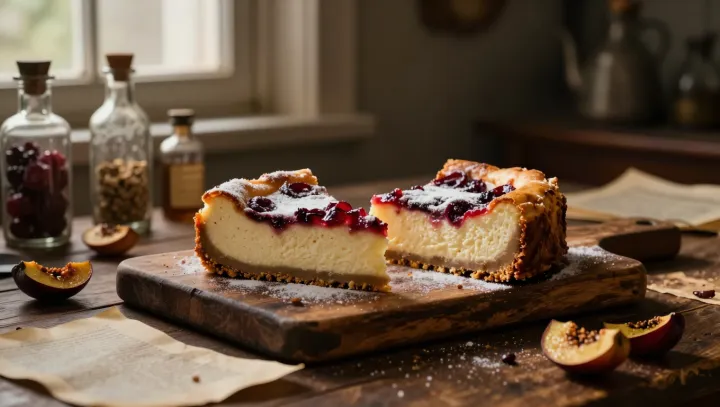
Glossy cake glaze is less about charm than control. In that shine sits an emulsion: fat droplets dispersed in water and sugar, stabilized by proteins and surfactants under tightly managed shear. Shift droplet size or interfacial tension, and the finish breaks, just as fuel emulsions or protective coatings fail on aircraft surfaces under stress.
The real surprise is that a tall sponge cake behaves more like engineered foam than like dessert. Bakers chase specific gas-cell size, volume fraction, and viscoelastic crumb, all governed by nucleation and bubble coalescence. Aerospace engineers tune similar closed-cell foams in sandwich panels for stiffness and weight reduction, while formulators in medical creams adjust microstructure to control drug diffusion and spreadability on skin.
Precision, not artistry alone, separates a viral cake from a collapsing one. Temperature control sets the rules: butter passes through phase transitions, chocolate crystals shift polymorphs, and proteins denature along a narrow thermal window. Those same thermodynamic constraints dictate curing of composite resins in aircraft skins and stability of emulsion-based creams in storage, turning the pastry counter into a quiet cousin of the clean room.