Depth, not gear, is what keeps sabotaging many scenic photos. A scene feels rich because binocular vision, motion parallax, and stereopsis stack together to build a mental model of space, yet the sensor records only a flat projection with no built‑in cue to that invisible scaffolding.
The harsh truth is that the human visual system edits reality far more aggressively than any camera. Selective attention and depth cues let the brain isolate a striking tree or rock as an anchor object, but the frame often captures a wide, empty expanse of midtones with no defined foreground plane, no structured midground, and a background that turns into a hazy strip of tone. Without occlusion, scale references, and converging perspective lines, the two‑dimensional image has almost nothing to convert that spatial experience into graphic tension.
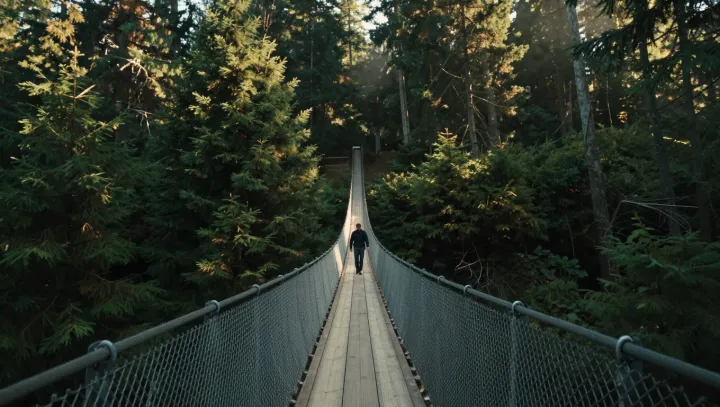
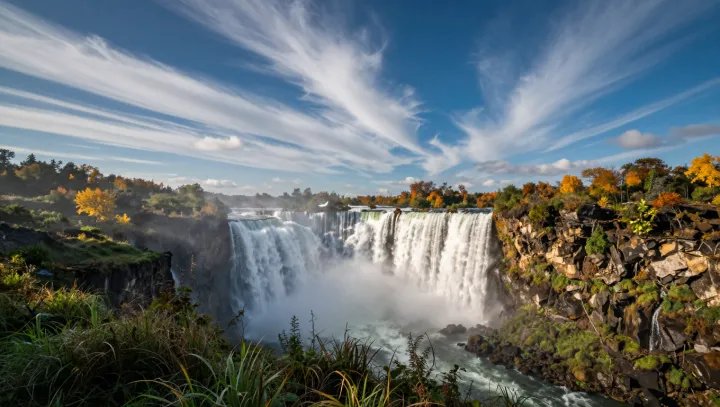
Good scenic composition, then, is less about exposure wizardry and more about forcing depth into the rectangle. Placing a strong foreground element near the lens exaggerates relative size, exploiting perspective distortion and the way linear perspective pulls the eye inward. Aligning midground features along implied diagonals creates a visual vector that mimics motion parallax, while a distinct background edge or skyline works as a hard stop for the gaze. Photographers who pre‑visualize this foreground‑midground‑background stack are not just being artistic; they are compensating for a brain that keeps insisting the world has depth even when the photo never will.