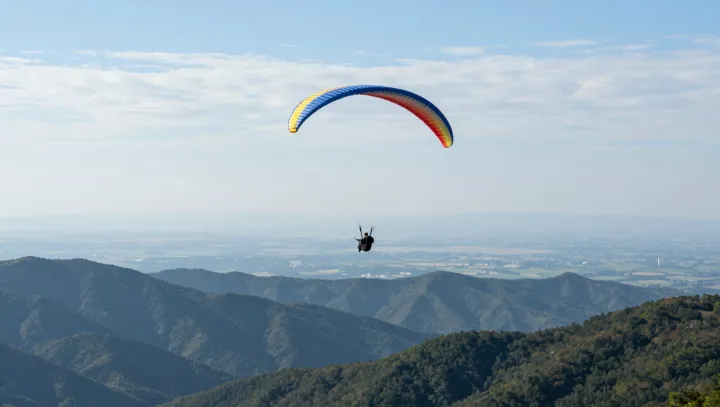
Air does the coaching. Not the coach with a whistle, not the motivational slogan taped to a locker, but the thin, fast air around a wingsuit or high-performance glider, where altitude, velocity and impact probability are updated every split second by the nervous system whether the athlete wants it or not.
Ground drills are overrated. Many toughness routines flood the body with exertion yet offer only vague, slow feedback to the brain’s threat detectors, while gliding at terminal-like speeds produces tightly timed spikes in amygdala activity that are immediately cross-checked by the prefrontal cortex as the pilot adjusts pitch, angle of attack, and flight path with fine motor corrections.
Fear needs precision, not volume. In controlled aerial maneuvers, the vestibular system, proprioceptive input, and visual motion cues hit sensory cortices in a coherent pattern that pairs a specific contour of risk with a specific corrective action, effectively running high-resolution exposure training that reshapes synaptic weights inside fear circuitry rather than just teaching generic grit.
The sky is blunt but exacting. Every micro-misjudgment is encoded through error prediction signals in dopaminergic pathways, giving the brain an unambiguous scoreboard that most ground-based discomfort drills lack, so the athlete is not just tougher; the threat map itself becomes sharper, narrower, and, paradoxically, calmer.