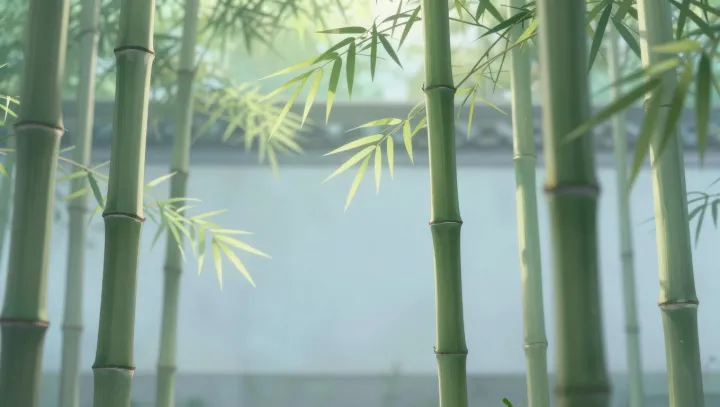
Hollow weakness, many would call it. In large parts of Asia, that same hollow core is read as a disciplined kind of strength, the sort that bends, survives, then quietly resets. Bamboo shoots can gain remarkable height in a short span, driven by rapid cell division and efficient photosynthesis, so villagers long ago saw not a fragile reed but a plant that races upward while refusing to snap.
What looks empty, Asian philosophies often treat as premium real estate. In Buddhist and Daoist thought, the hollow culm mirrors sunyata and wu, concepts of structured emptiness that reduce attachment and internal friction. Because the stem is a cylinder of lignified fibers around that void, it distributes mechanical stress like a natural composite column, allowing groves to sway under violent wind yet return to vertical alignment without dramatic fracture.
Strength without noise is the deeper appeal. Confucian texts praise the straight node pattern as an ethical spine, yet the plant stays modest, green, and light. Architects now leverage bamboo’s high tensile strength and low density in scaffolding and housing, turning cultural metaphor into structural engineering. In courtyards, a few thin stalks, gently clicking together, stage a quiet argument against the idea that only solid, heavy things endure.