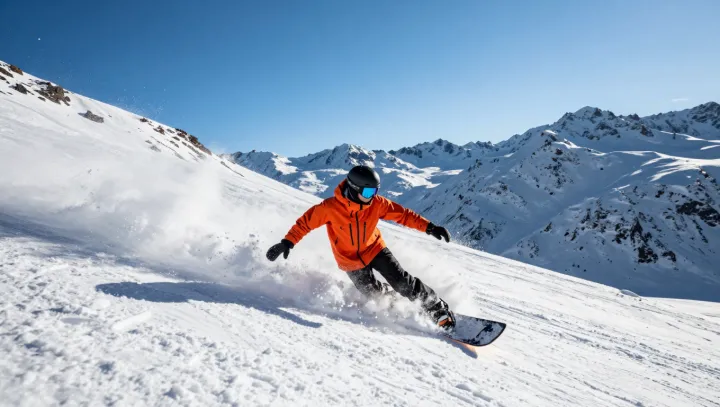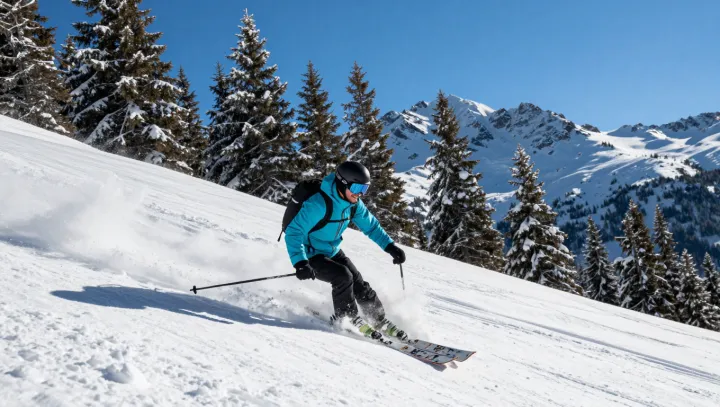
A gentle green slope, not a steep chute, is where real confidence is built. Slow arcs on easy terrain load the nervous system with clean data; every turn becomes a repeatable experiment in pressure, edging, and timing, instead of a chaotic fight for survival that the brain later encodes as a threat.
The unpopular truth is that speed learned early is usually just speed on top of bad habits. When skiers stay slow and exaggerate rounded turns, they train vestibular balance, proprioception, and fine edge control in a low‑stress setting, so the cerebellum can automate those patterns into stable motor programs instead of panic reactions.
Confidence, then, is not a feeling that appears at the top of a black run; it is a by‑product of thousands of unremarkable, controlled turns where skis stay quiet, weight shifts cleanly, and pressure builds gradually through the outside ski. Later, when velocity rises, the body recognizes the same sequence of forces, only amplified, and treats speed as a familiar signal rather than a fresh danger.