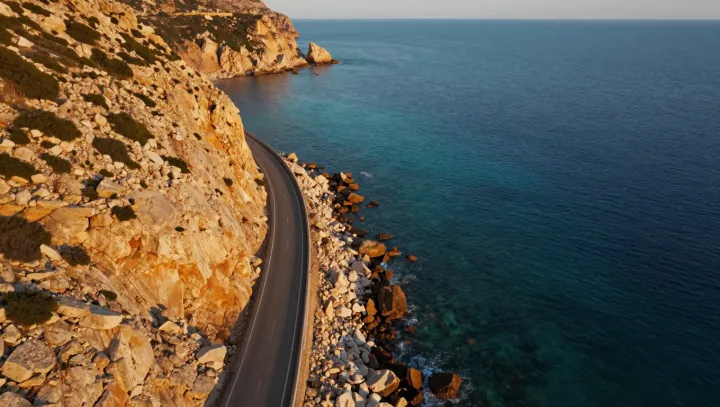
A slow coastal drive can feel like stolen time. A fast highway run often vanishes from memory. That contrast is not poetic; it is standard brain economics, in which attention and novelty dictate how long a day seems once it is over.
Curves, cliffs, shifting light. Each change forces the brain to update predictions, and this constant “error correction” engages the hippocampus and prefrontal cortex in heavier neural computation, so the ride generates more discrete memory traces and denser episodic encoding, which later makes the same block of clock time look stretched in hindsight.
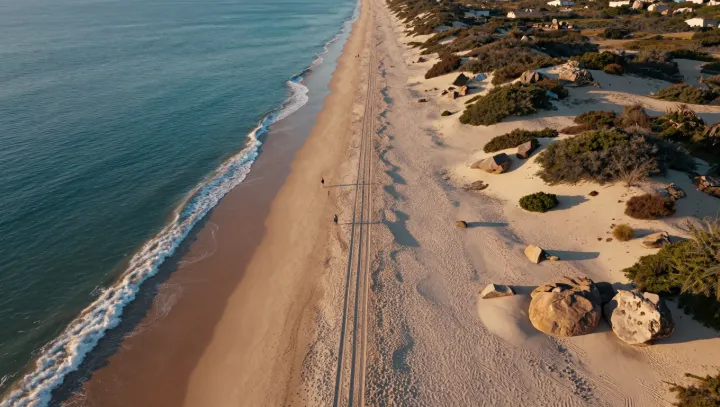
A straight, empty highway does the opposite. Few surprises. Low visual entropy. Once speed stabilizes, the brain downshifts into energy saving mode, with more automatic processing and less active pattern separation, so experience compresses into a blur and retrospective duration shrinks, even if the odometer says you covered far more distance.
The counterintuitive part is this. Subjective time expands not with speed but with complexity and risk-calibrated engagement, meaning that the tiny delays, micro-adjustments, and sensory overload of a twisting coast are exactly what make a day feel larger than its schedule.