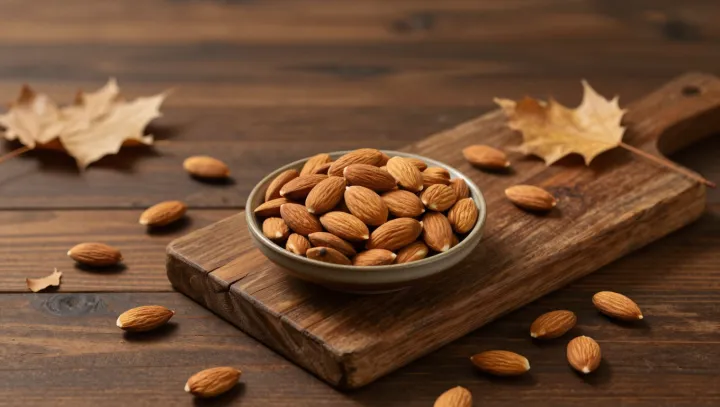
A few almonds act less like a snack and more like a compact meal. Their power starts with protein, which triggers satiety hormones such as cholecystokinin and peptide YY, signaling the brain that intake can slow. That protein load also dampens post snack blood glucose swings by moderating gastric emptying and improving insulin response.
Even more underrated is the fiber. It swells. It lingers. Inside the gut, almond dietary fiber increases chyme viscosity, physically slowing digestion while feeding gut microbiota that generate short chain fatty acids linked to appetite regulation. Because the fibrous cell walls are not fully broken, a fraction of calories remains locked away, lowering net metabolizable energy.
The real satiety edge, though, comes from their slow burning fats. Rich in monounsaturated fat and a modest dose of polyunsaturated fat, almonds deliver energy that enters circulation gradually, avoiding the rapid spike and crash pattern typical of refined carbohydrates. This steadier fatty acid release stabilizes ghrelin, the so called hunger hormone, and keeps neural fuel supply to the hypothalamus on an even keel, so a small handful can quiet appetite long past the last crunch.