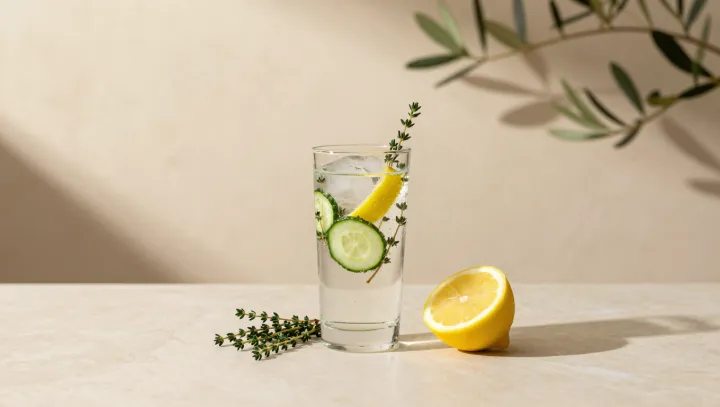
That frosted glass of lemon water looks harmless. On a pH scale, though, it sits disturbingly close to soda, and the chemistry does not care about wellness branding or spa aesthetics. Typical lemon water measures around pH 2 to 3, well below the critical pH near 5.5 at which hydroxyapatite, the mineral backbone of enamel, begins to dissolve in a process dentists label dental erosion.
The real problem is not the morning squeeze. It is the slow drip of exposure when a person nurses a citrus drink over hours, giving oral pH no chance to recover and letting demineralization outpace natural remineralization driven by saliva and calcium ions. Each sip restarts an acid challenge on the enamel surface, softening the crystalline lattice and making it more vulnerable to abrasion from brushing and chewing.
Wellness routines promise a clean detox; oral biology delivers a different verdict. Unlike soda, lemon water skips sugar, so it does not directly feed Streptococcus mutans or accelerate caries formation, yet its titratable acidity can still strip away micrometers of enamel over time. Dentists advise confining acidic drinks to short, defined windows, using a straw to reduce contact, and waiting before brushing, because once enamel is gone, no influencer recipe can grow it back.