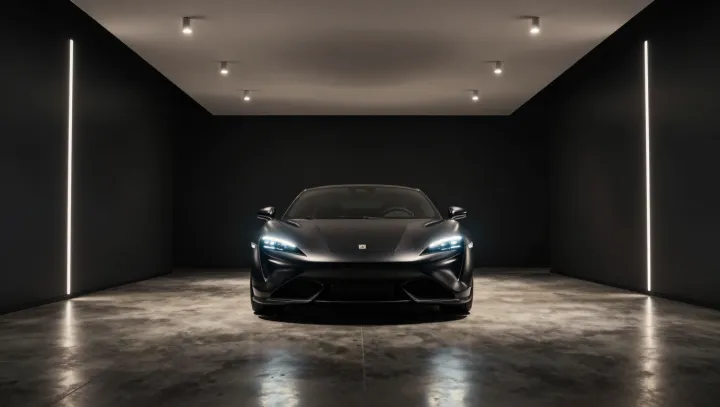
Harsh showroom light is not your ally; it is the car’s best makeup artist. Under intense spot beams, high-gloss clear coat behaves like a mirror, compressing minor orange peel, sanding marks and micro-scratches into a single uniform sheen that flatters the panel instead of exposing its history.
The smarter test is brutal. Step off to the side, then walk the length of each panel while a straight reflection line from a lamp, pillar or window tracks across the metal. If that line kinks or ripples, you are seeing subtle panel distortion or poor body filler work, not magic design. Consistent specular reflection is a better truth serum than any brochure photo.
Paint itself rarely tells the whole story; the gaps around it shout. Uneven panel gaps or misaligned shut lines often signal prior impact, rushed assembly or stressed mounting points, even when color match and clear coat look flawless. A tight gap that suddenly widens near a bumper corner can hint at repaired crash structure hiding behind the shine.
Texture is the last quiet witness. Run light across the surface at a shallow angle and watch how it scatters: coarse orange peel, dull patches from aggressive polishing, or faint buffer trails show up as broken halos around reflections. Treat that trio—reflections, gaps, texture—as a checklist, not a vibe, and the showroom loses most of its power to fool you.