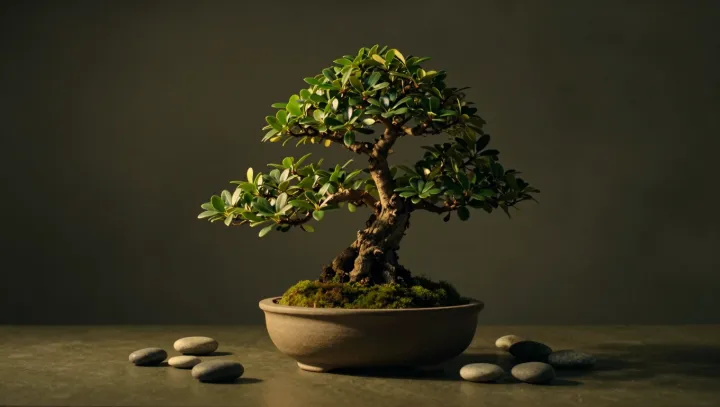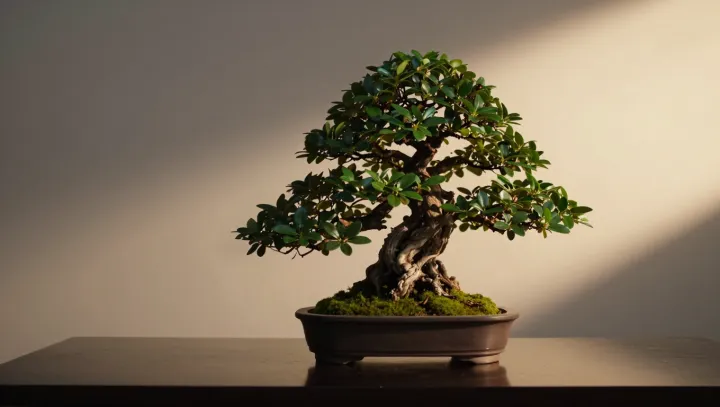
Nothing mystical occurs. Under a pruning blade, a bonsai makes time visible: each clipped shoot records a choice, while damp soil, wire tension, and the measured turn of a pot require the hand to stop treating minutes as disposable. Its small scale is deceptive. A tree reduced to a tray does not reduce the work; it concentrates it, making consequence easier to see and harder to evade.
Its reputation misleads. Not serenity but feedback governs the ritual, because a branch cut too far back cannot be argued with, and a missed watering arrives as evidence rather than insult. Errors stay visible. Repetition recruits attentional control: the grower scans leaf color, soil moisture, internode length, bark texture, and bud direction before acting within limits set by a living organism. The lesson stays narrow. That narrowness is precisely the point, since the mind learns to distinguish an urge for intervention from a reason to intervene.
Patience is not passive. What develops is procedural memory, the learned sequence by which observation precedes intervention; over many sessions, waiting becomes less a virtue than a practiced refusal to guess. No spell is involved. The practice may quiet compulsive checking by assigning attention a concrete object and a repeatable task, though it is not a clinical treatment and should not be sold as one. Restraint becomes action. A clipped branch holds its silence, while the uncut bud poses the older question: when is care wiser than control?