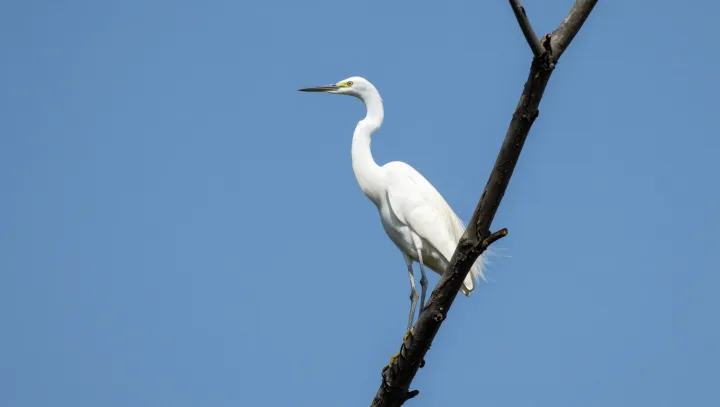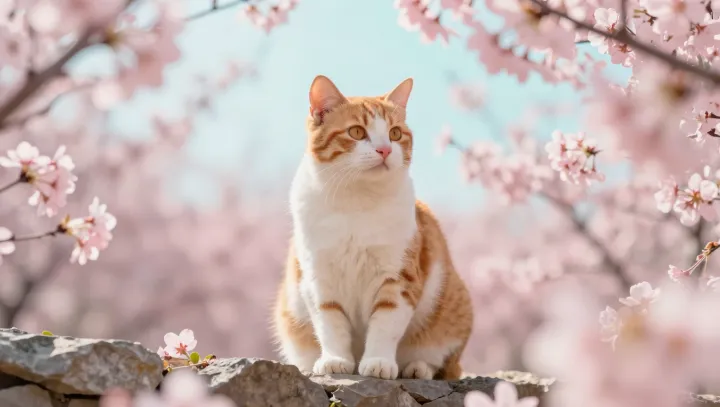
A full stomach guarantees little. A cat can finish its dinner, stalk a bird, and kill it without eating, because the mechanisms governing predation are not simply extensions of appetite. Hunger matters, but movement can recruit hunting behavior even when food is plentiful. The untouched carcass is not evidence that dinner was inadequate.
Hunting follows its own incentives. In animal behavior, the predatory motor sequence describes actions such as orienting, stalking, chasing, capturing, and biting, which need not end in consumption. Satiety is no off-switch. Although it can reduce food-seeking motivation, a darting mouse or fluttering bird may still elicit pursuit, particularly when an opportunity appears within reach. Nor is killing proof of malice. Domestic cats retain predatory behavior inherited from ancestors whose meals depended on catching small animals, and domestication has not erased that equipment. Individual cats vary considerably. Age, experience, prey availability, and temperament can all affect whether an animal hunts, succeeds, or eats its catch.
Feeding alone is weak protection. Owners who assume an abundant bowl makes outdoor wildlife safe mistake one influence on behavior for a reliable barrier against it. Access changes the equation. Keeping cats indoors, providing secure outdoor enclosures, or supervising outdoor time limits opportunities to encounter prey, while interactive play gives stalking and chasing a different target. Toys cannot guarantee restraint. Their value lies in enrichment, not in making unrestricted roaming harmless; protecting birds and small mammals requires managing contact rather than trusting appetite. The bowl can stand full. Beyond the window, a moving wing still offers something dinner cannot.