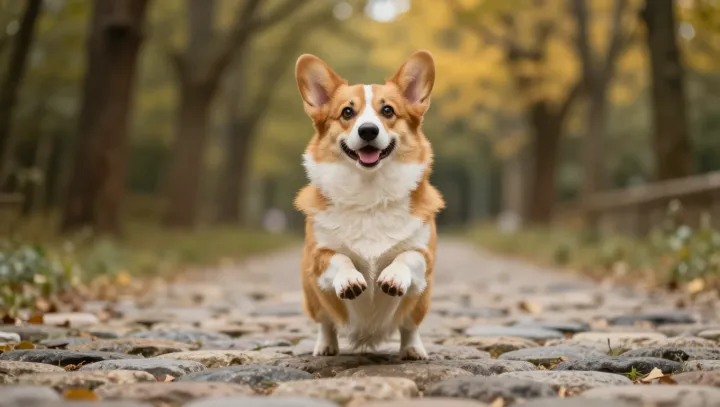
Exhaling is not wasted. A dog's nose directs outgoing air through slits along its outer edges, producing jets that help pull surrounding, odor-bearing air toward the region sampled by its nostrils. The exit earns attention. Rather than simply emptying the lungs, this arrangement helps prepare the next sniff while limiting interference with the air directly ahead.
The secret is entrainment. As an exhaled jet travels outward and partly backward, it transfers momentum to neighboring air, drawing that air into motion and helping replenish the scent supply near the nose. Geometry does the work. The nostril's forward opening admits air during inhalation, while its lateral slit shapes the outward stream during exhalation, separating the dominant directions of intake and exhaust. This distinction matters physically. A forward blast could displace the very odor plume being investigated; sideways exhaust instead helps gather surrounding air without blasting directly into the patch ahead.
Plumbing deserves some credit. Once inhaled, a portion of the odor-bearing air enters the olfactory recess, where molecules encounter the olfactory epithelium, the sensory tissue that begins converting chemical encounters into nerve signals. Sniffing keeps samples coming. Repeated inhalations and exhalations refresh the available odors, although the benefit depends on nose position, nearby surfaces, and the movement of ambient air around the muzzle. Sensitivity starts outside, too. Before any receptor responds, the nose has already influenced which molecules arrive and how often they are sampled, making each outward breath part of the search.