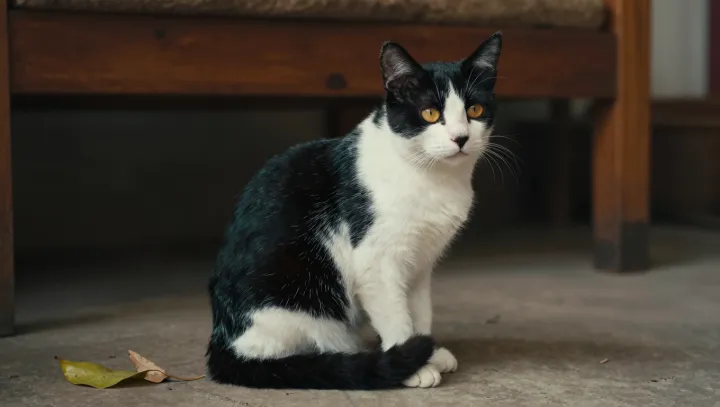
Kneading is not fussiness. Before sleep, a cat's alternating paws often repeat a movement first practiced against its mother's belly, where pressure helps stimulate milk flow during nursing. Dinner becomes bedtime ritual. Although adult cats no longer need that movement to feed, the association with warmth and security offers a plausible explanation for its persistence.
Comfort beats tidy explanations. The kitten's suckling reflex and rhythmic kneading occur together during feeding, but adult kneading should not be mistaken for proof that a cat consciously remembers its mother. The evidence has limits. Often accompanied by purring, the behavior fits a relaxed state, although neither kneading nor purring alone can establish precisely what an animal feels. Other functions remain plausible. Scent glands in the paws can deposit chemical signals, including pheromones, while pressing and shifting soft material may help prepare a resting place; these explanations need not exclude the nursing connection.
Absence is not failure. Some cats knead frequently, others rarely, and differences in individual behavior mean that a motionless bedtime routine does not automatically signal unhappiness or an impaired bond. Punishment misses the point. If claws make the ritual uncomfortable, a folded blanket between paws and skin offers protection without interrupting a behavior that is generally harmless. Sudden changes deserve attention. When kneading becomes unusually intense or accompanies pain, agitation or difficulty settling, veterinary advice is more useful than treating every paw movement as affection. The paws finally settle. Beneath the sleeping adult remains a gesture shaped beside a mother's body.