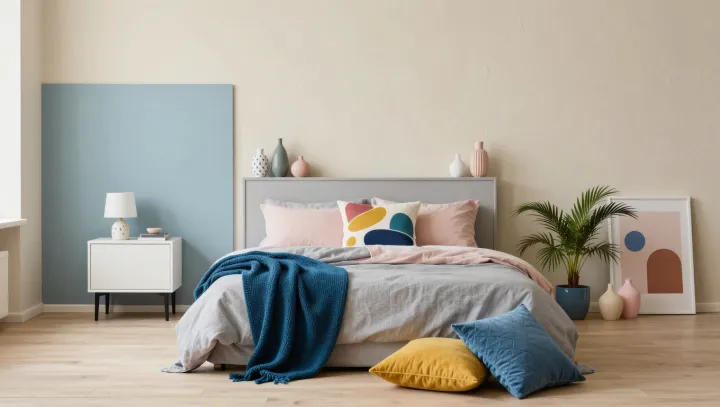
Space saved can disappoint. A bed pushed against a radiator may free up floor space, but its frame and bedding can obstruct the airflow that carries heat into the room. Warmth needs an exit. Through natural convection, air heated beside the radiator rises while cooler air moves in below, creating circulation that furniture can interrupt.
The bargain looks lopsided. Although the radiator continues producing heat, a solid bed base or thick duvet can restrict its distribution, leaving the bedside warm while other parts of the room remain cooler. Touch is misleading evidence. A hot radiator does not prove that heat is reaching the whole room, because both convection and radiant heat transfer depend partly on what surrounds the appliance. Turning up wastes opportunity. Raising the thermostat may increase heat demand without correcting the obstruction, particularly when furniture also shields a thermostatic radiator valve from air that represents the room's temperature.
Clearance beats cosmetic tidiness. Moving the bed away, keeping bedding off the radiator and preserving space around its air passages can improve heat distribution, although the appropriate gap depends on the appliance and its manufacturer's instructions. No universal distance applies. Electric heaters may have stricter combustible-material clearances than hot-water radiators, so their safety guidance should determine the arrangement rather than a convenient rule of thumb. Comfort deserves some room. Where the bed cannot move far, even reconsidering its orientation may help preserve airflow, leaving the room less divided between a warm bedside and a chilly corner.