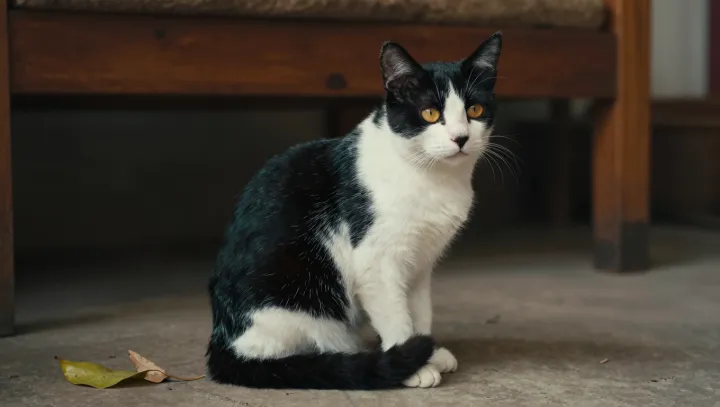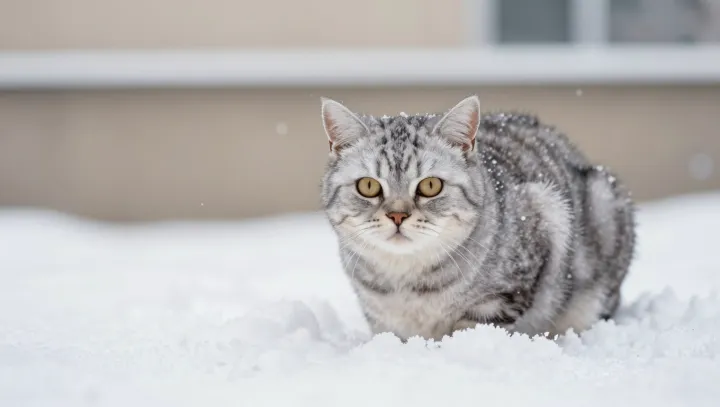
Palace cats deserve better billing. Behind their appeal to visitors lies a less photogenic relationship between animals and buildings: cats can hunt rodents, while palace households have also valued them as companions. Those roles need not compete, although the pleasing idea that every resident cat descends from an imperial favorite demands evidence that appearances cannot supply.
Royal affection explains only half. In imperial households, a cat could occupy the unusual position of cherished pet and useful hunter, joining domestic intimacy to the management of spaces where food attracted mice and rats. The mechanism is predation, not magic: hunting can remove individual rodents, but its effect depends on prey availability, access and the behavior of each cat. Pedigree proves something different. Historical records may establish that rulers or their households kept cats; they cannot, without additional documentation, establish an unbroken bloodline linking those pets to animals living on palace grounds.
Charm is not conservation policy. Rodents can gnaw building materials and contaminate storage areas, making their control a maintenance concern rather than merely a matter of tidiness. Cats offer one possible contribution, but integrated pest management also requires sanitation, exclusion and monitoring; a sleeping cat is no measurement of rodent abundance. Care matters as well. Feeding, veterinary treatment and population management protect the animals, while responsible visitor behavior keeps their public popularity from becoming another burden. The richer story is therefore neither royal pedigree nor effortless pest removal, but the coexistence of affection and utility. Beneath a palace doorway, the pet and the hunter share the same shadow.