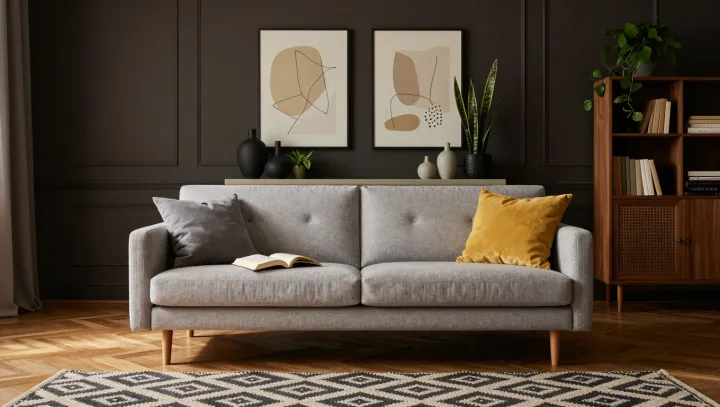
Fewer pieces prove little. A room with three bulky objects can feel tighter than one with six, especially when a sofa back interrupts the view from the doorway and conceals the floor beyond it. Arrangement deserves more credit. What matters is not merely how much furniture occupies a room, but what that furniture allows the eye to see.
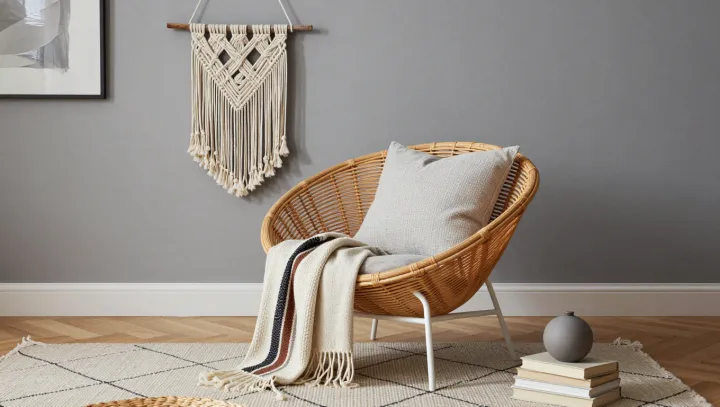
Empty corners promise little. In spatial perception, occlusion describes one object blocking another, which helps explain why a tall cabinet beside an entrance can conceal depth that remains physically available. Protect the longer view. Lower furniture along a sightline can preserve visual continuity, while exposed legs reveal floor beneath seating rather than presenting an unbroken block from cushion to carpet. Circulation needs room, too. A chair that forces a detour around its back consumes more than its footprint, because the walking route must bend around it whenever someone crosses the room.
Decluttering can miss the point. Before removing useful furniture, assess the room from its entrance, then test whether shifting a chair or turning a sofa opens a view toward a window or the far wall. Keep the useful pieces. Closed storage can reduce visible clutter without reducing possessions, although an oversized cabinet may replace scattered distractions with a larger obstruction of its own. Let the floor connect. A modest gap between furniture groups can make movement easier and reveal more of the room's extent, leaving the same walls to enclose a scene that no longer seems to end at the sofa.