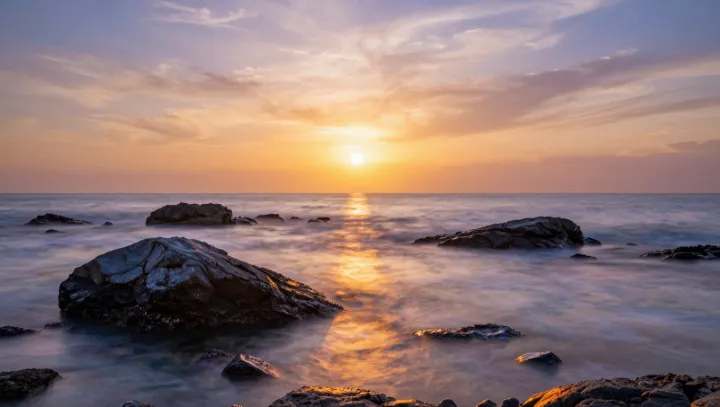
Solid rock yields piecemeal. Where waves strike a fractured cliff, the sea exploits existing weaknesses rather than wearing down every surface equally, forcing water into joints and driving sediment against exposed stone. Strength offers no immunity. Over centuries, repeated attacks can turn narrow openings into caves and undermine entire cliff faces.
The crack matters most. During hydraulic action, an incoming wave forces water into fractures and may compress trapped air, producing pressure that helps loosen rock where weaknesses already exist. Retreat brings another reversal. As the wave withdraws, pressure falls and water drains back, while repeated loading and unloading can progressively extend fractures and detach blocks. Geology sets the terms. Closely spaced joints, bedding planes and weaker layers offer routes inward, whereas less fractured rock generally resists longer, making erosion uneven even along neighboring stretches of the same shore.
Loose debris earns its keep. Through abrasion, sand and pebbles carried by waves scrape, strike and chip rock surfaces, acting less like a single hammer than a shifting collection of cutting tools. The tools wear too. Collisions break and round the fragments themselves, a process called attrition, while currents remove some particles and deliver others to the wave zone. More is not always harsher. A thick sediment cover can shield bedrock, but mobile debris can deepen notches whose overhanging rock eventually collapses, allowing the cliff to retreat and exposing a wave-cut platform. The cliff leaves its floor.