The fig's flowerless reputation is undeserved. Hidden inside the structure sold as fruit, its flowers line an inward-facing chamber, where reproduction takes place beyond the view of anyone inspecting the skin. Absence is an illusion. What looks like a botanical exception is instead an inflorescence, a collection of flowers arranged with unusual discretion.
The familiar fruit deserves reconsideration. Botanists call this enclosed structure a syconium, whose fleshy walls surround numerous tiny flowers rather than displaying them on an exposed stalk. The distinction changes the bite. After development, individual flowers can produce tiny fruits inside that shared enclosure, so the fig on a plate is not equivalent to a peach, which develops from one flower's ovary. Its interior holds multitudes. The little grains encountered while chewing belong to this reproductive machinery, not to some flower-free shortcut that allows a plant to dispense with the usual botanical equipment.
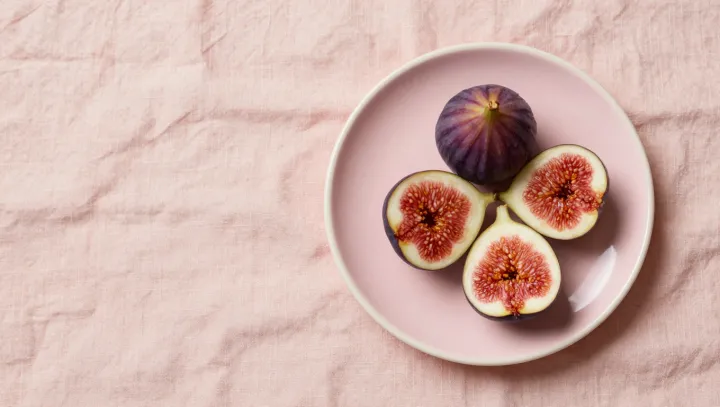
The wasp story needs restraint. In fig species that depend on pollination, a tiny female wasp enters through a narrow opening, carrying pollen to flowers that would otherwise remain inaccessible to visiting insects. Not every fig requires this. Many cultivated varieties of the common fig develop edible crops without pollination, which means a supermarket fig need not have hosted a wasp to reach the table. Hidden does not mean absent. Cut one lengthwise, and the distinction becomes visible: beneath an unremarkable skin sits the evidence of flowering, as though the plant had kept its garden indoors.