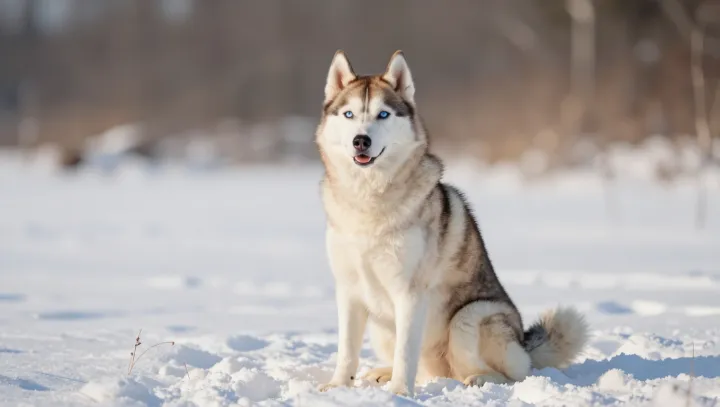
Warmth requires no heated fur. A Siberian Husky's coat produces nothing; instead, it holds relatively still air close to skin, reducing the rate at which internally generated heat escapes into colder surroundings. The distinction explains everything. While metabolism supplies heat through the body's chemical reactions, the coat reduces losses, allowing that supply to sustain body temperature under conditions that would rapidly chill a poorly insulated animal.
Stillness does the work. Beneath longer guard hairs, a dense undercoat divides trapped air into small pockets, limiting convection, the movement of air that would otherwise carry warmth away from the skin. Air also conducts poorly. Because air transfers heat much less readily than water, keeping that insulating layer dry helps preserve its effectiveness, although wind and moisture can compromise protection. Thickness alone explains little. The coat's structure matters because insulation depends on retaining air rather than merely piling material onto the body, much as a lofty quilt can outperform a compressed one.
Fur deserves less credit. Blood vessels near the skin can narrow through vasoconstriction, reducing heat delivery to exposed surfaces, while curling up limits exposed area and brings vulnerable extremities closer to the body. Cold still sets limits. Food intake, activity, health, acclimatization, wind and wetness all affect whether heat production keeps pace with loss, so breed reputation cannot guarantee safety in every winter setting. Shelter remains a necessity. Beneath the snow-dusted outline rests an animal whose survival depends not on abolishing the cold, but on slowing its claim.