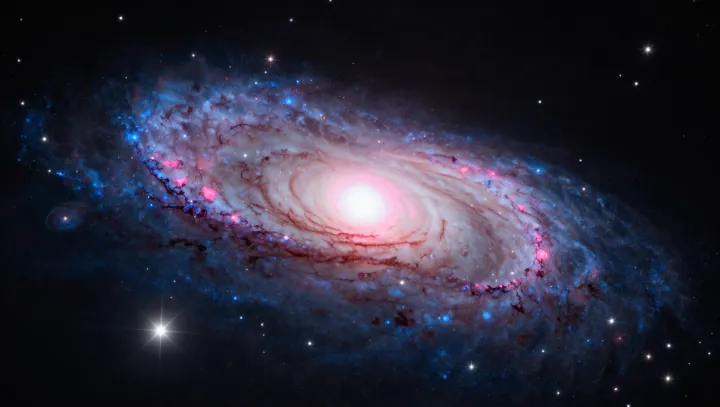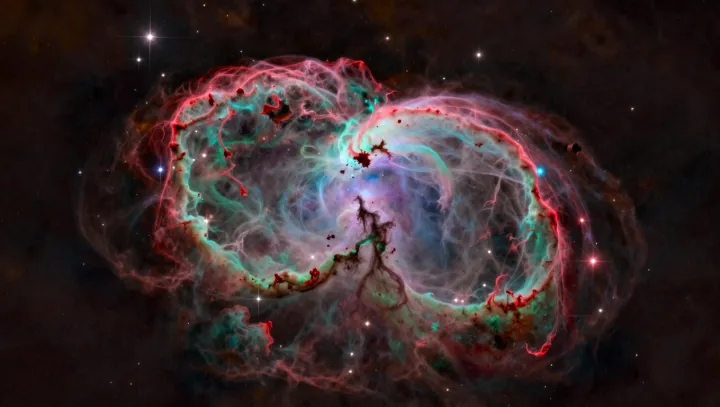
These colors are translations. The green, blue, and purple in this supernova remnant represent different X-ray energies, rather than visible light that would greet an observer looking through a telescope. Beauty requires a correction. What appears to be a painted cloud is a display of radiation that human eyes cannot detect, assigned colors so its differences become readable. The distinction matters.
The apparent art serves measurement. Because X-ray photons carry more energy than visible-light photons, detectors must record radiation that the eye cannot register, after which image makers assign selected energy ranges to visible hues. Color becomes a key. Without the accompanying legend, however, green, blue, and purple alone cannot establish which regions emit the most energetic X-rays or specify the temperatures of the material producing them. Interpretation needs that restraint. A color assignment communicates an energy selection, not an automatic identification of a particular chemical element, nor a direct view of how the remnant would look nearby.
The invisible carries physical evidence. In supernova remnants, expanding debris collides with surrounding material, heating gas into plasma whose X-ray emission can help researchers investigate conditions left behind by a stellar explosion. Appearances still demand caution. Differences across an image can reflect several factors, including temperature, composition, and absorption along the viewing direction, so colors supply clues rather than a complete diagnosis by themselves. Translation does not diminish reality. The eye receives an invented palette; behind it remains a physical signal, indifferent to whether any creature can see.