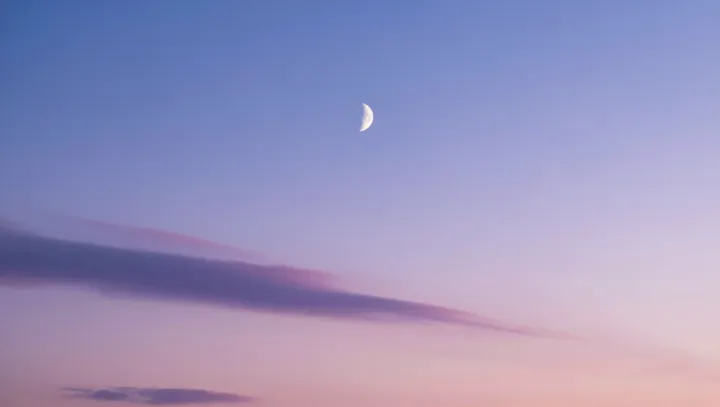
Moonrise deserves no assignment. Against the habit of turning every spare interval into preparation for something else, its appearance offers an excuse to leave part of an evening unused, without calling that waste. Nothing needs improving here. The dishes can wait while light gathers along a windowsill and the room loses its obligation to function as an office.
Rest needs fewer alibis. Although sleep advice often arrives wrapped in promises of sharper performance, the biology makes a less commercial case: light helps regulate circadian rhythm, and evening light exposure can suppress melatonin, a hormone involved in signaling biological night. Moonlight is no medicine. Nor does moonrise reliably announce bedtime, since the moon can rise during daylight; what matters is the choice to reduce demands when an evening permits it. A dimmer room helps. Lowering indoor light and putting aside stimulating tasks can support a quieter transition toward sleep, without requiring any belief in lunar powers.
Leisure deserves its privacy. Once a pause must produce a journal entry, a photograph or proof of improved concentration, the old bargain has returned: time is acceptable only when it earns something. Leave the phone inside. A chair beside an open curtain, where safe and comfortable, offers enough occupation for someone who has spent the day answering requests. No revelation is required. Not every evening allows such freedom, especially for caregivers and shift workers, but even a brief unclaimed interval need not become another duty. Beyond the glass, the moon keeps no account.