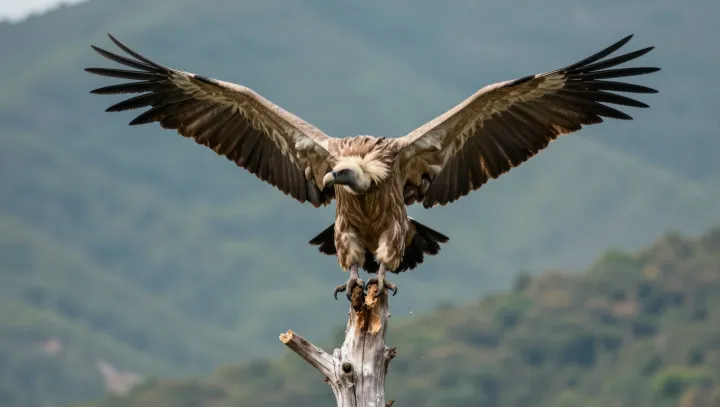
Skill does not preclude theft. Sea eagles, whose talons can pluck fish from the water, sometimes pursue birds carrying a catch until the pressure forces their targets to release it. Dinner changes hands overhead. The eagle may seize the falling fish before it reaches the water, turning another bird's successful hunt into its own meal.
Theft is no guaranteed bargain. Biologists call this behavior kleptoparasitism, a feeding tactic in which one animal takes food that another has already obtained, rather than capturing the prey itself. Ospreys can become targets. An eagle may repeatedly chase a fish-carrying osprey, whose escape can become easier once it abandons the weight and drag of its catch. Size supplies an advantage. Yet a pursuit still consumes energy, and a bird that evades its attacker leaves the eagle with expenditure rather than food; aggression alone does not make every attempted robbery profitable.
Flexibility matters more than purity. Optimal foraging theory offers a way to understand these choices, asking how feeding behavior relates to energy gained, effort spent and opportunities available, without implying that birds consciously calculate returns. The menu stays open. Depending on species and circumstances, sea eagles may catch live prey, eat carrion or steal, so a stolen fish is not evidence that its captor cannot hunt. Hunting talent remains intact. Beneath the departing eagle, the empty-taloned fisher is left with the less celebrated half of the encounter: the work of catching dinner, without dinner.