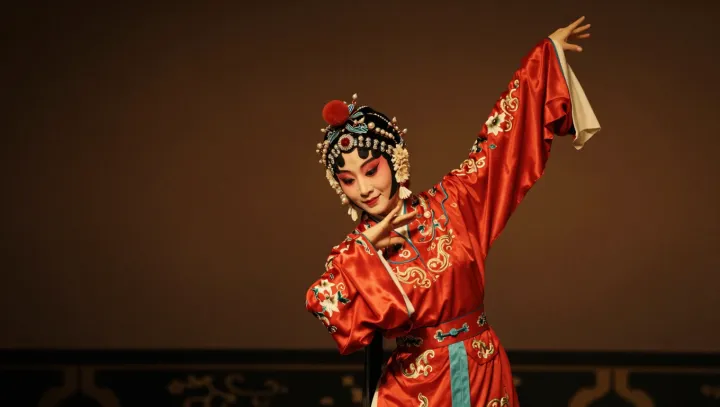
Decoration can carry authority. On a theatrical costume, an embroidered creature or flower can suggest status before dialogue establishes it, provided the production draws on conventions its audience recognizes. Size changes the message. A motif dominating the chest commands attention differently from one repeated along a hem, where it becomes an accompaniment rather than an announcement.
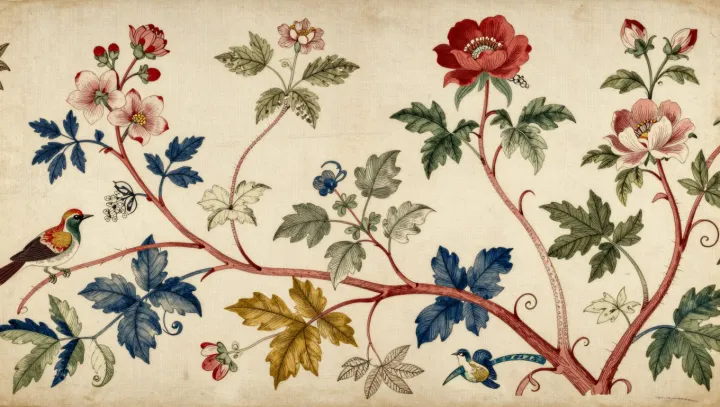
Dragons resist simple decoding. Their association with extraordinary power makes them useful emblems of command, but neither a creature's presence nor its claws supplies a reliable rank without reference to the particular costume tradition. Technique adds another voice. In couching, threads are secured to the fabric with smaller stitches; when reflective threads catch stage lighting, the resulting brilliance can strengthen an impression of wealth or authority. Peonies suggest softer distinctions. Their abundant blossoms can evoke prosperity, beauty or distinction, although floral embroidery alone cannot establish whether a character is virtuous, vain, youthful or powerful.
Clouds do more work. Around a creature or above a border, their curling forms can suggest celestial surroundings and auspicious associations while helping organize the composition across the moving garment. Context sets the limits. Costume iconography operates alongside color, silhouette, accessories and performance, so the same embroidered subject may acquire different implications on different bodies or within different productions. Character emerges through combinations. Read the motifs as evidence rather than verdicts: authority need not imply goodness, floral richness need not imply innocence, and an auspicious image need not promise a fortunate ending. The garment gleams; the wearer remains unresolved.