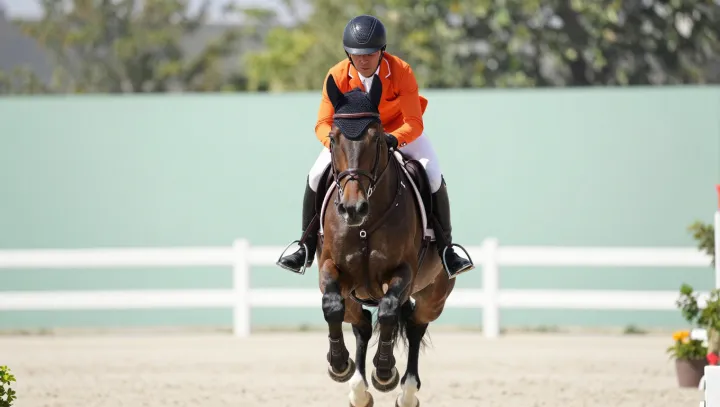
A slower clear round can beat a faster round with a fallen rail because, in many show jumping competitions, faults count before speed. The clock matters, but only after the score is settled. That ordering turns a contest of apparent haste into a test of controlled precision, provided the clear round stays within the time allowed.
A rail is expensive. Under the widely used Table A scoring system, knocking down an obstacle generally adds four faults, while a first refusal can also bring four. A refusal occurs when a horse stops before an obstacle rather than jumping it; further disobedience can lead to elimination, depending on the rules. Exceeding the time allowed adds faults too, although the calculation varies by competition. Thus a round with no jumping faults is not necessarily free of penalties if it takes too long.
Speed still has its place. When competitors finish on the same number of faults, their times may decide the ranking, or the competition may send tied combinations into a jump-off over a shorter course. Formats differ, and some competitions rank speed and penalties differently, so the published rules matter. But in a faults-first contest, a rider who finishes within the limit with no penalties beats a faster rival carrying four faults. The fallen rail lies still; the clock keeps running.