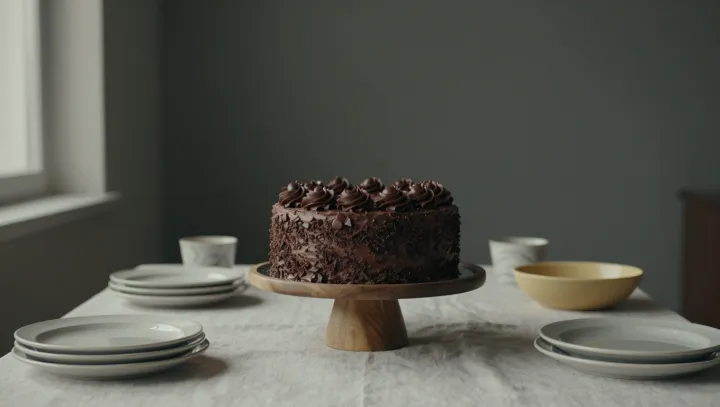
Hot coffee can make chocolate cake taste more like chocolate, not coffee. The trick is quieter than the decoration: smooth frosting, piped rosettes and chocolate pieces promise richness at first glance, while a modest amount of coffee works within the batter. Its contribution depends on the recipe, but the result can be a deeper cocoa flavor without an obvious coffee taste.
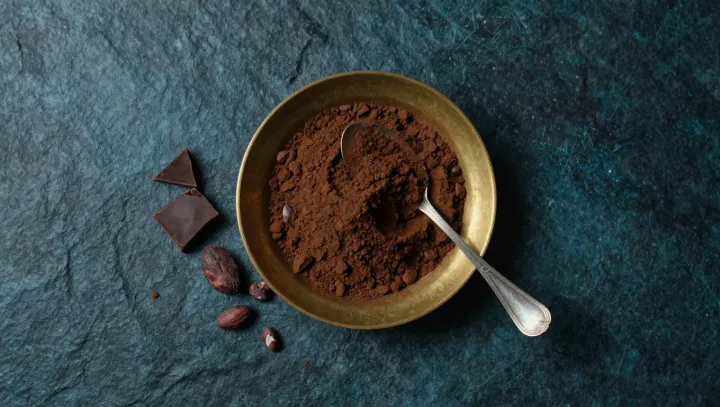
Heat does some of the work. When hot liquid meets cocoa powder, a process bakers call blooming helps disperse the particles and release aromatic compounds. Coffee adds roasted and bitter notes that can complement those already present in cocoa. Flavor perception depends on both taste and aroma; the two ingredients share some roasted qualities, so coffee can support the impression of chocolate rather than announce itself. The effect is not guaranteed. Strong coffee or a generous amount can make its own flavor easier to detect, particularly in a cake with less cocoa.
Restraint serves this cake best. Use the coffee as part of the liquid specified in a suitable recipe, rather than pouring extra liquid into a finished batter, and let the frosting provide a smooth contrast to the dark crumb. Piped rosettes give the surface its rhythm; chocolate decorations add texture as well as height. For anyone wary of coffee, a mild brew offers a quieter starting point, though hot water can also help bloom cocoa. Beneath the rosettes, the most effective ingredient may be the one that never asks to be noticed.