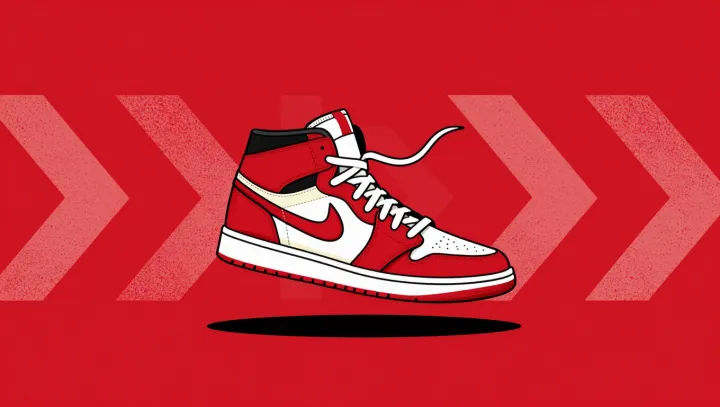
A rubber-soled work shoe once built for factory floors now trades like a luxury asset. The same vulcanized base that kept laborers steady on oily concrete has become the chassis for limited drops that can cost more on resale platforms than bespoke dress shoes.
The shift began when sports performance moved from the gym to the street, collapsing the boundary between utility and identity. Endorsement deals turned athletic footwear into a visible signal of aspiration, as every televised crossover or highlight clip embedded a brand in popular memory. As marketing budgets grew, so did the narrative weight placed on a simple sole pattern or colorway, transforming industrial rubber into a storytelling surface.
Scarcity economics then did the rest. Brands engineered artificial limits, triggering a kind of social entropy in which orderly demand scattered into queues, raffles, and bots. Secondary markets treated each pair as a micro asset class, with marginal utility no longer tied to comfort but to exclusivity and cultural relevance. Digital platforms closed the loop, standardizing authentication and price discovery, and turning every release into a global auction staged in real time.
What began as protection against factory fatigue now functions as a shorthand for belonging, taste, and access, proof that even the most utilitarian object can be repriced once it carries enough collective story.