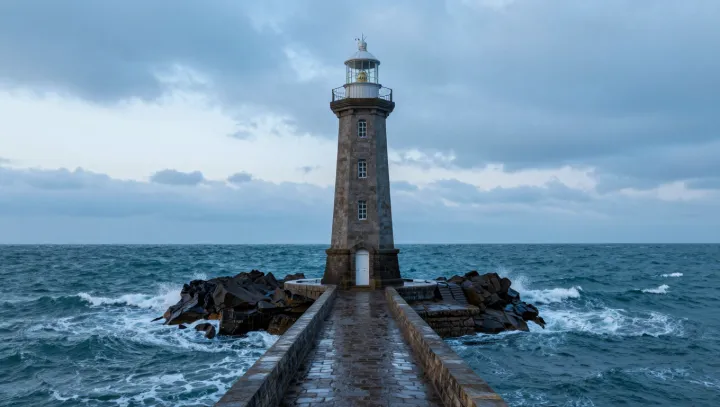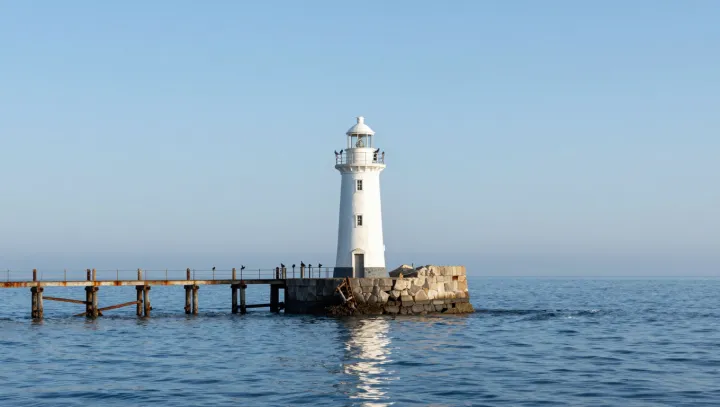
Rotating beams over empty sea now mark one of the strangest side effects of digital navigation. Built as survival infrastructure, lighthouses once anchored entire systems of coastal trade, pilotage and ship identity, long before satellite constellations and electronic charts took over routing decisions.
Their engineering fixed them in place. Stone towers, Fresnel lenses, clockwork mechanisms and later radio beacons were capital intensive, slow to replace and locked into specific coastlines. As global positioning systems reduced their marginal utility in risk management, many structures lost frontline status but retained intact hardware, logbooks and visual signaling codes. Instead of being updated on a software cycle, they effectively froze at the moment when analogue seamanship still depended on dead reckoning and visual bearings.
Isolation then amplified this preservation effect. Remote sites avoided real estate pressure and mass tourism, so patterns of watchkeeping, local dialect terms for shoals and informal pilot routes survived in station archives and oral history projects. For coastal communities, decommissioned lights turned into heritage anchors, protecting intangible skills such as buoyage interpretation and tide reading even as commercial fleets adopted automated identification systems and satellite-based collision avoidance.