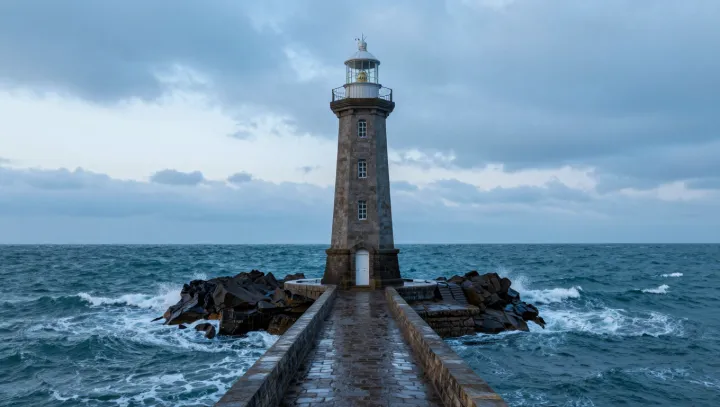
Dark glass and silent lenses now define many coastal towers, which light up only when sensors or timetables say a signal is needed. The idea is simple: ships increasingly rely on GPS navigation and the Automatic Identification System, so a permanent visual beam is no longer the primary guidance tool in routine traffic.
Maritime authorities have treated the old all‑night beam as a low‑yield asset and begun to redesign the cost structure. Automated lanterns, radar beacons and AIS transponders already form a digital safety net, so light output can be reduced without eroding the safety margin for commercial shipping. This cuts fuel or grid consumption, lowers maintenance cycles for rotating optics and creates budget headroom for electronic charts and coastal radar, where the marginal effect on accident prevention is higher.
Sensors such as visibility meters and traffic detectors now trigger adaptive lighting that reacts to fog, storms or unusual vessel patterns. In many regions, fixed schedules keep lights on during peak traffic windows and off when only GPS‑equipped ships are expected. The result is a leaner navigation system that still preserves the lighthouse as a fail‑safe reference, but treats continuous illumination as an exception rather than the default state.