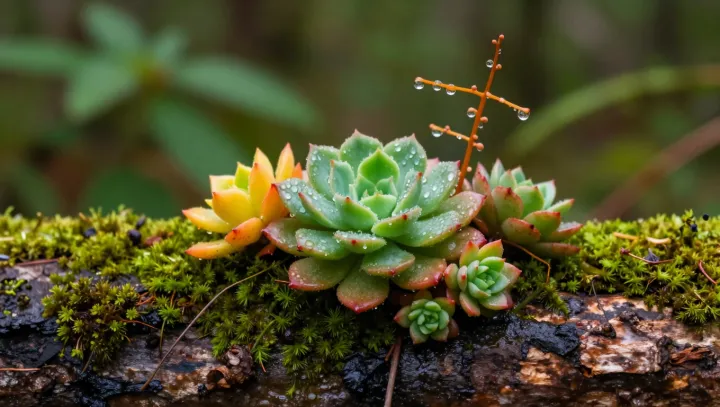
The spent flower stalk above a succulent rosette is not just leftover decor. It is a drain on the plant’s internal budget, still pulling water, minerals and sugars from the fleshy leaves that keep the plant alive between rare drinks.
During flowering, photosynthesis ramps up in the leaves, and the plant channels much of that energy into floral growth, seed formation and nectar production. Those processes depend on intense carbohydrate allocation and a high rate of cellular respiration. If the dried stalk stays attached, vascular tissues continue to act as a pipeline, diverting newly made sugars away from storage organs in the leaves and stem, instead feeding tissue that no longer supports future growth.
Cutting the stalk once blooming is complete breaks that pipeline. Water potential inside the plant shifts, and more moisture and soluble carbohydrates are retained in the thick leaves and stem cortex, which serve as long term storage tissues. This boosts the plant’s capacity for osmotic adjustment and improves its resilience to drought stress. Over time, those redirected resources translate into denser parenchyma cells, visibly thicker leaves and a more compact, robust rosette that can support the next flowering cycle without depleting its reserves.