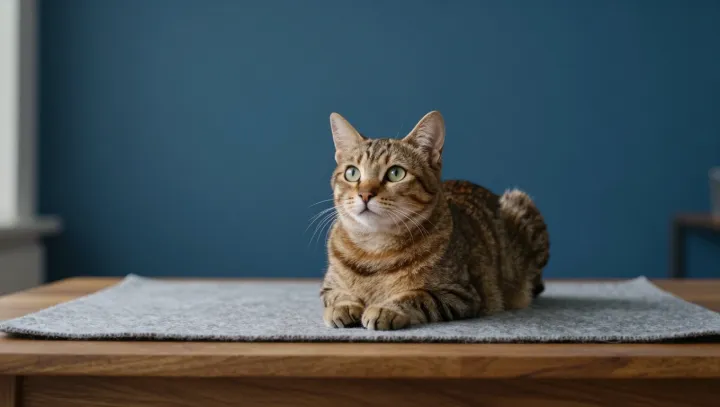
A glossy food bowl or a pile of toys may say more about an owner’s budget than a cat’s well-being, while small shifts in grooming, litter-box use, and sleep locations are starting to look like a more precise barometer of feline health. Across veterinary behavior studies, those quiet markers are being tracked as early indicators of stress and disease.
Grooming patterns now sit alongside heart rate variability and cortisol levels as behavioral readouts of a cat’s allostatic load, the cumulative wear of chronic stress on the body. Over-grooming can align with heightened sympathetic nervous system activity and skin inflammation; patchy or absent grooming often correlates with pain, joint degeneration, or lowered immune function. In that sense, fur condition is becoming a low-tech proxy for shifts in baseline metabolism and even early dermatological disorders.
Litter-box habits and sleep maps inside the home add a second diagnostic layer. Changes in urination frequency and posture are already used to flag cystitis, kidney strain, and endocrine disruption, while sudden loyalty to hidden sleep spots can signal anxiety, respiratory issues, or arthritic discomfort that makes climbing and jumping costly. For clinicians and owners, these patterns turn the home into a continuous-monitoring lab, where a “good cat owner” is defined less by purchases and more by close, calm attention to subtle data points.