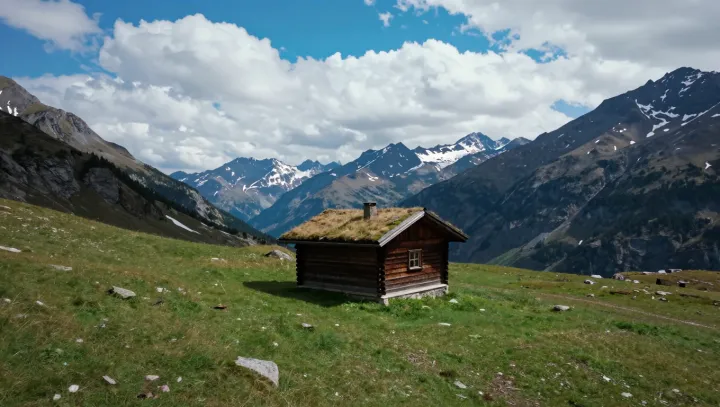
Fairy-tale cottages tend to sell out while some luxury hotels quietly discount their empty suites. The imbalance is not about thread count or floor area; it is about narrative density per square foot, and the way the human brain prices meaning over marble.
Neuroscience suggests that the limbic system and hippocampus light up for pattern, plot and place, not just comfort metrics. In behavioral economics terms, the cottage exploits a margin of utility where perceived identity value and social signaling far outweigh objective amenities. A crooked doorway, visible timber frame or hobbit-like window reads as backstory and character arc. Guests are not just renting shelter; they are buying a role in a micro-myth, an escape from entropy in their own timeline.
Platforms amplify this bias. Visual algorithms reward instantly legible narratives, so a cottage that looks like it fell out of a storybook generates higher click-through and conversion than a generic skyline suite. Every photo becomes a plot device, every review a sequel. Luxury hotels can invest in spas and high-end fixtures, yet without a coherent story world their brand remains a commodity. In a market where attention is the scarcest resource, the strongest asset is not square footage but scripted fantasy, engineered into bricks, beams and sightlines.
What looks like whimsy at the edge of a forest is therefore a precise form of experience design, turning architecture into narrative hardware and guests into recurring characters in its ongoing tale.