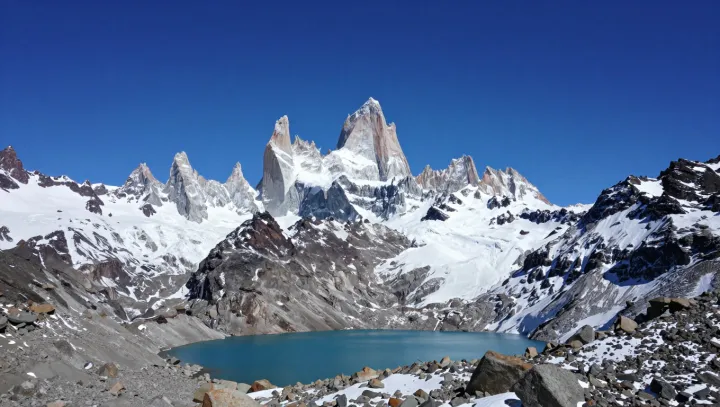
Snow ridges, steep rock faces, long glacial valleys: that visual package keeps being called Alps, even when the mountains are half a world apart. From Japan’s so-called Alps to similar ranges in New Zealand and North America, the label travels far beyond the original European massif.
Linguists call this toponymy by analogy: a borrowed place name used when a new landscape triggers the same mental template. Instead of measuring absolute elevation or precise geomorphology, observers lean on pattern recognition and marginal utility. If a range reads as dramatic, rugged, and streaked with ice and rivers, the brain retrieves the nearest high-impact brand in its archive, which in many cultures is the European Alps.
This copy-and-paste naming compresses spatial information, like a heuristic that reduces cognitive entropy. A foreign visitor can hear Alps and instantly predict alpine meadows, sharp relief, rapid weather shifts, and seasonal snowpack, even at a different latitude and on a different scale. The name becomes a shorthand user interface for expectations about climate, tourism potential, and risk. In that sense, these scattered Alps map not only the Earth’s crust but also the recurring ways humans label what looks alike, even when the numbers and the continents do not match.