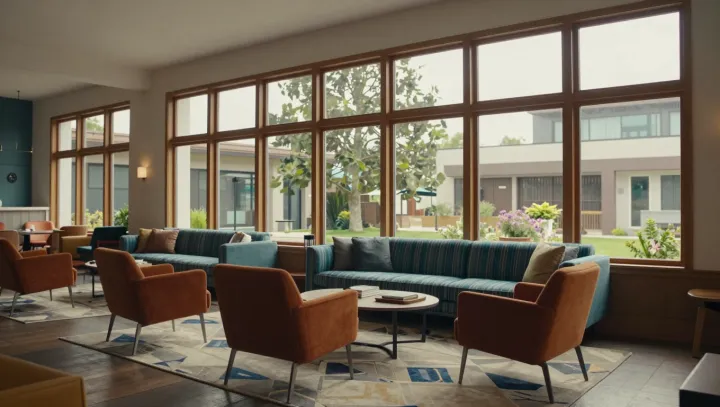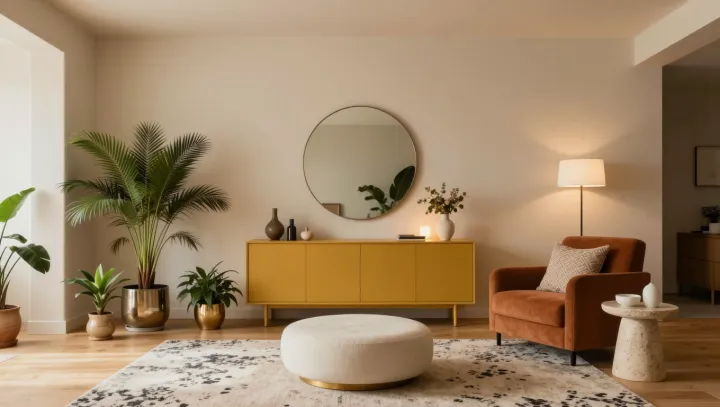
The living room layout is not just visual decor; it is an ongoing negotiation between your nervous system and the space it must decode. When a sofa faces a doorway, a window, or a blank wall, it alters how the hippocampus and prefrontal cortex coordinate their internal maps of home, with measurable consequences for stress, focus, and dwell time in that room.
Environmental psychology has long shown that sight lines, boundary cues, and perceived control over one’s surroundings feed directly into autonomic arousal and cortisol regulation. A sofa that exposes your back to a door increases vigilance load, raising what economists would call the cognitive marginal cost of staying put. Angle that same seat to create a sense of enclosure and visual predictability, and the brain’s internal entropy rises more slowly; the scene becomes easier to model, freeing working memory for reading, conversation, or deep focus rather than low‑level threat monitoring.
Studies of spatial cognition indicate that small shifts in furniture placement can nudge how grid cells and place cells fire, subtly redefining which corner feels like the true center of home. Over time, those firing patterns help decide not only where you drop your bag, but where you unconsciously choose to spend your longest, and calmest, hours indoors.