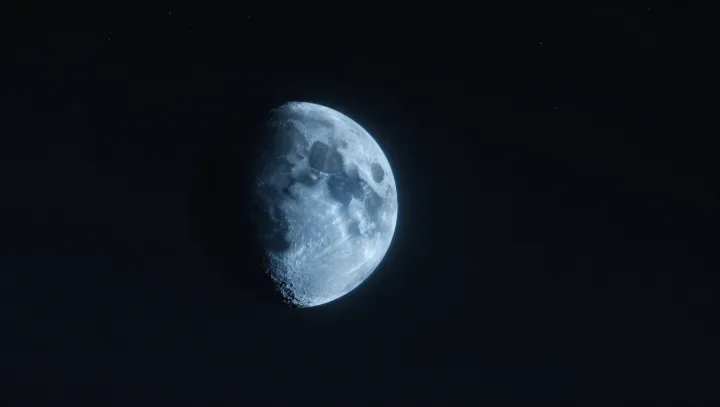
Morning light flooding the sky does something no app or tinted lens can fully mimic: it hits the eye’s intrinsically photosensitive retinal ganglion cells and pushes the circadian rhythm into alignment. Research on these non‑visual photoreceptors suggests that even brief outdoor exposure delivers an intensity and spectrum of light that indoor LEDs and blue‑light filters simply do not reproduce.
This input to the suprachiasmatic nucleus, the brain’s master clock, suppresses melatonin more cleanly and anchors the sleep‑wake cycle with downstream effects on cortisol release, alertness and basal metabolic rate. Blue‑light‑blocking glasses mainly trim part of the spectrum; they do not provide the high‑lux, broad‑spectrum signal that synchronizes internal time. For people battling social jet lag, insomnia or productivity slumps, stepping outside for a few minutes of direct daylight may offer a stronger, cheaper intervention than stacking more screen add‑ons or wearables, especially when timed to the first half of the day.
In an era crowded with digital hacks for better sleep and focus, the scene of bare eyes meeting real sunlight at the start of the day quietly reasserts an older architecture of control: a biological clock still wired to the sky rather than the screen.