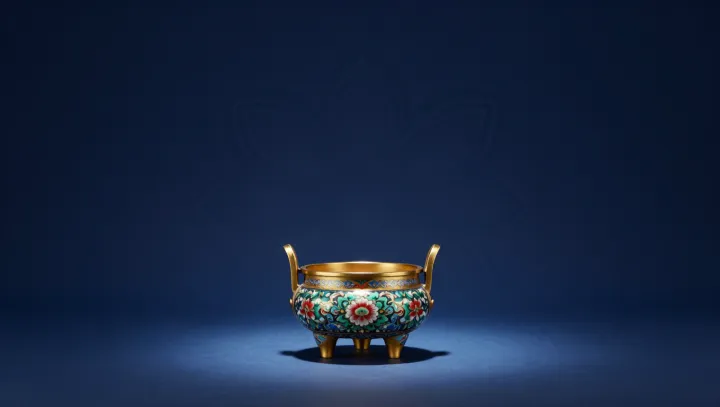
A vine curling across silk or a peony frozen in glaze did more than please the eye. Over centuries, these floral motifs hardened into a visual code that mapped power, rank and virtue as reliably as any written decree. As court, temple and household objects moved through the hands of rulers, officials and merchants, the surface grammar of petals and leaves became a subtle but legible script.
What began as loosely borrowed plant forms gradually acquired the force of a protocol. Certain blooms clustered around imperial robes, others around the wardrobes of scholars, while still others slipped into the wardrobes of those who merely aspired to such standing. The system worked a little like an informal tariff schedule: shifts in who could wear or own a given motif revealed changes in hierarchy, patronage and cultural capital, as well as the entropy that eroded earlier rules.
Moral language also attached itself to these images. Lotus designs signalled purity, plum blossoms resilience, and their repetition on silk panels or ceramic wares turned ethics into décor. This accumulation of meanings produced a marginal effect: each additional use of a flower in a specific context slightly adjusted its symbolic price. Across generations, the same patterns formed a long, slow archive in which power and character were negotiated not only in law codes and edicts, but in the quiet geometry of ornament.