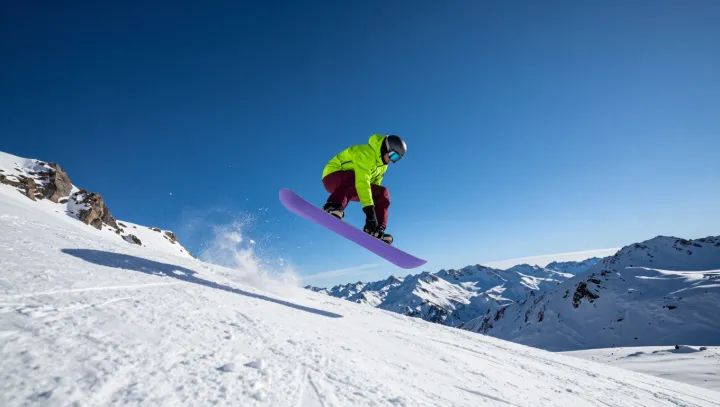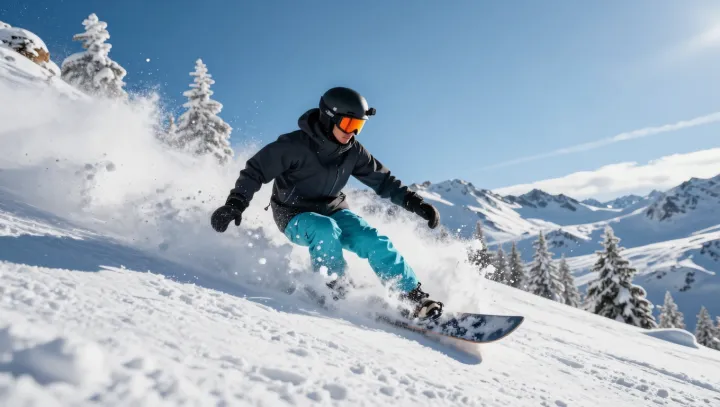
A shifting temperature profile over the mountain can turn a familiar run into a different physical system. Overnight refreezing, sun exposure and wind create layers where yesterday’s compliant powder becomes a thin, glassy crust that barely reflects light.
On that crust, the coefficient of kinetic friction between ski base and snow can drop abruptly, while edge penetration into the surface hardens from millimeters to fractions of a millimeter. The same turn radius and edge angle now yield longer stopping distances and higher centripetal force on joints. Muscles fire with the memory of soft-snow resistance, but encounter a firmer, discontinuous interface that changes load transfer through the knee and hip.
Meteorological details such as temperature gradient through the snowpack and rapid crossings of the melting point directly influence crystal metamorphism and the formation of so-called boilerplate. Checking not only the air temperature but also recent freeze–thaw cycles and aspect-specific forecasts lets skiers match wax choice, speed control strategy and route selection to the actual mechanical behavior of the slope.