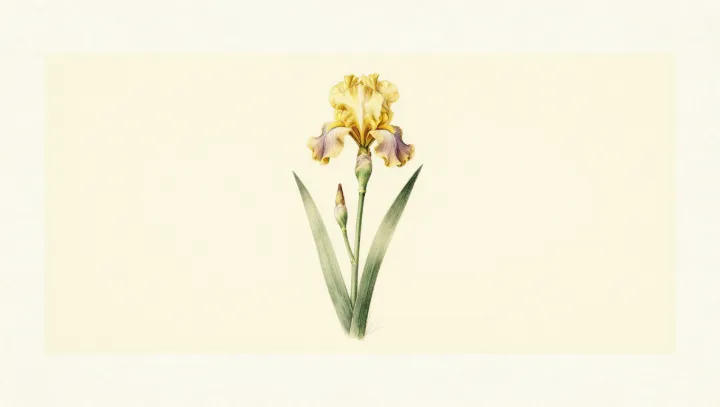
A bright yellow iris slips easily from a manicured pond edge into the murky fringe of a wetland. The same plant that decorates reflective water in formal Chinese gardens now builds dense stands in marshes on multiple continents, raising the question of how an ornamental species became a structural engineer of entire shorelines.
The answer lies in a set of traits that read like an invasion toolkit. Thick rhizomes store carbohydrates and allow clonal expansion, rapidly forming mats that stabilize sediment and crowd out slower rooted neighbors. Seeds float, hitching rides along canals and rivers designed for irrigation or flood control. High phenotypic plasticity lets the iris adjust leaf height, root depth and flowering effort in response to shifting water tables and nutrient levels, a botanical illustration of entropy increase in disturbed ecosystems where open niches multiply.
Human taste finishes the job. Horticulture selects for showy blooms and tolerance of a wide hydrological range, then exports those traits through trade networks that function as a global distribution channel. Once introduced, the plant exploits a strong marginal effect: a few clumps in a garden pond can become source populations for entire catchments when fragments break off during maintenance or storms. In carefully tended Chinese landscapes it reads as deliberate design; in downstream wetlands it behaves like an uninvited infrastructure project, quietly rewriting who gets light, nutrients and space.