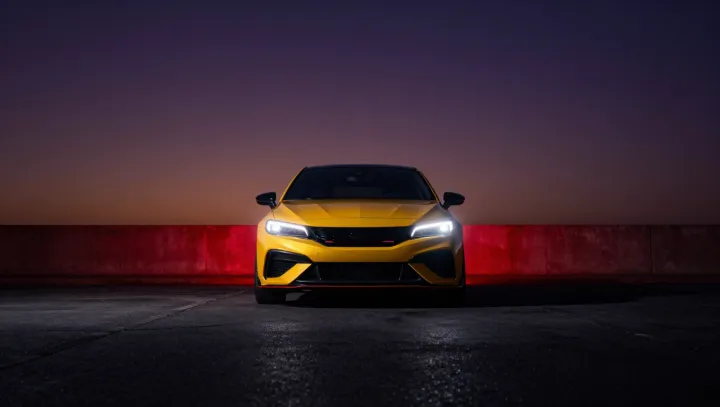
A current Mercedes SUV carries more processing capability than many early spacecraft, yet lawmakers still file it under the plain label of passenger vehicle. Under the hood sit dozens of electronic control units that orchestrate braking, steering, stability, airbags, infotainment, and driver assistance in real time.
These control units form a distributed embedded system, linked by high speed data buses and running millions of lines of code. Where early spacecraft relied on limited guidance computers focused on orbital dynamics, the SUV must juggle sensor fusion, adaptive cruise control, and lane keeping while maintaining functional safety standards such as ISO norms. The underlying physics is unchanged, but the information entropy inside the car has exploded as cameras, radar, lidar, and connectivity feed continuous data streams into machine learning based assistance features.
Legal classification, however, still follows the chassis, not the silicon. Regulatory frameworks were built around crash structures, emissions, and basic human factors, so as long as the vehicle has a steering wheel, seats, and meets passenger safety tests, it enters the same box as far simpler cars. That gap between computational density and legal status is becoming a live question as over the air updates, algorithmic decision making, and partial automation quietly rewrite what a passenger vehicle actually is.