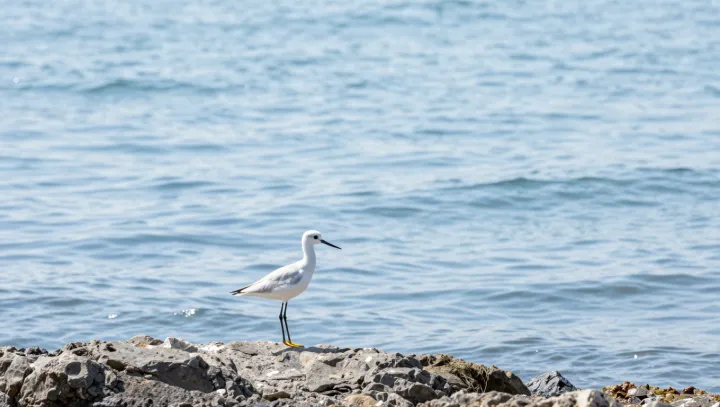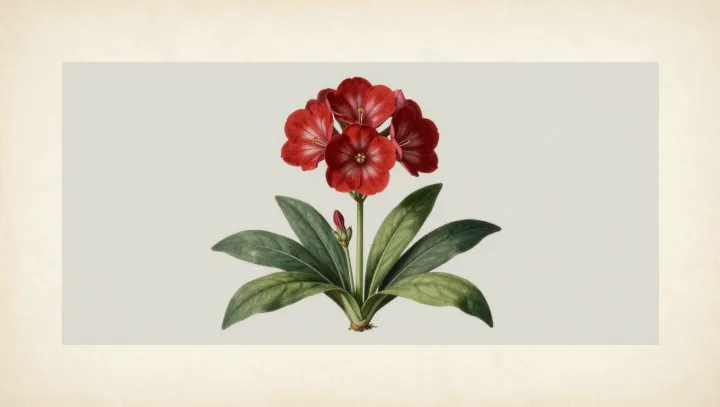
A small rosette of purple flowers on a rocky African slope now exists as a compact, long blooming fixture on indoor windowsills across the world. The journey from wild plant to domestic staple runs through a quiet collaboration between evolutionary pressure and human selection, reshaping both physiology and behavior of the species.
In its original habitat, the plant faced intense light, thin soils and irregular water. To cope, it evolved thickened leaves, dense hairs and a root system tuned to brief pulses of moisture. Those traits formed a kind of biological baseline, a foundation that breeders could then retool. By choosing plants that tolerated lower light yet maintained efficient photosynthesis and a stable transpiration rate, horticulturists shifted its performance envelope from exposed cliffs to shaded glass.
Flowering changed just as deeply. In the wild, bloom cycles were linked tightly to day length and resource availability through photoperiodism and hormonal signals such as gibberellins. Under cultivation, repeated selection favored plants with altered gene regulation in their floral meristems, stretching bloom windows and reducing strict seasonal triggers. Compact growth, short internodes and continuous bud formation turned the species into a living ornament that fits the constraints of indoor space and human attention.
What began as an adaptation to harsh, sun drenched rock faces has become a different kind of fitness: the ability to trade pollen and beauty for shelf space, care and commercial distribution in homes far from its original range.