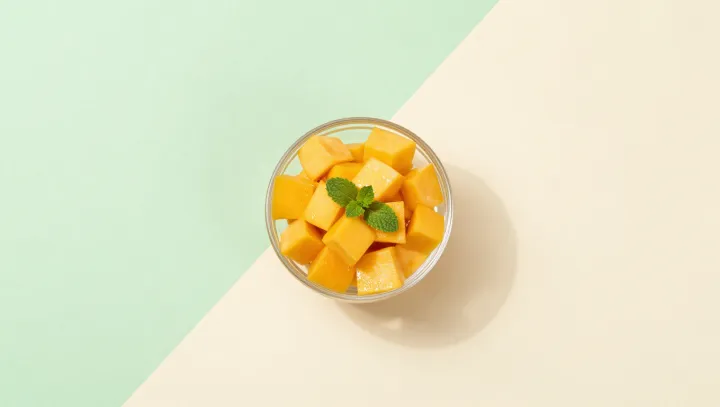
A slice of ripe mango smells like a perfume counter, yet much of its chemistry is initially locked away. Inside the pulp, many of the fruit’s signature terpenes and lactones are stored as glycosides, small fragrance molecules tethered to sugar units. This bound form is chemically stable in the wild, protecting the fruit from premature aroma loss and oxidative damage while it hangs on the tree or drops to the forest floor.
The real switch flips when human processing and physiology intervene. Heat from cooking and dehydration accelerates hydrolysis reactions and Maillard chemistry, cleaving glycosidic bonds and generating new volatile esters that intensify the mango profile. In parallel, enzymes in human saliva and the small intestine target the same bonds, while gastric acidity and mechanical breakdown disrupt the cell wall matrix of pectin and cellulose, increasing bioaccessibility of carotenoids and vitamin precursors embedded in chromoplasts.
Evolutionary biologists describe this as a co‑evolutionary feedback loop rather than a deliberate design: the fruit invested metabolic energy in synthesizing complex secondary metabolites, and animals with compatible digestive enzymes provided reliable seed dispersal. Humans added fire and culinary technique, effectively extending the fruit’s biochemical pathway outside its own cells. What began as a plant defense and signaling toolkit became, through digestion and heat, a shared sensory infrastructure linking mango trees, human brains and microbial ecosystems.