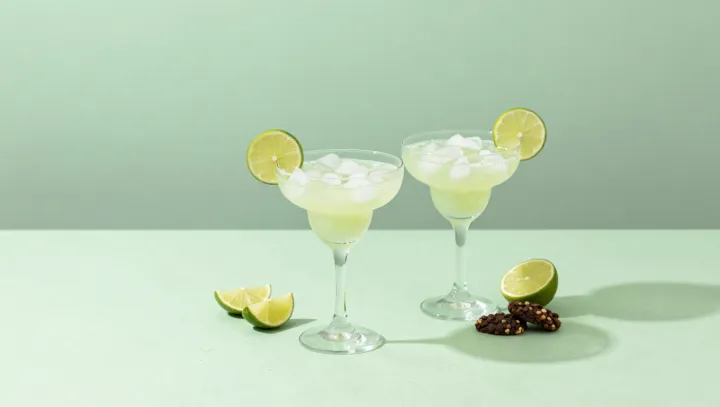
A simple glass jar can become a small-scale flavor lab when alcohol meets everyday fruit. Behind the bright colors and aromas sit shifts in sugar content, acidity, and aroma compounds that can influence both flavor and the timeline of intoxication.
Citrus fruits such as lemon and orange load the liquid with citric acid and essential oils. The acid can slightly delay gastric emptying, while the oils add volatile terpenes that sharpen aroma and may encourage slower sipping. Pineapple brings high sugar and bromelain, altering mouthfeel and sweetness perception, which can promote faster drinking and a quicker rise in blood alcohol concentration.
Grapes and berries contribute fructose, polyphenols, and tannins. Fructose can modify hepatic alcohol dehydrogenase activity, while tannins add a drying finish that may subconsciously limit volume. Apple slices supply pectin and moderate sugars; pectin changes viscosity at the surface of the drink, while the gentle sweetness can mask ethanol burn and ease intake. Watermelon, with its high water content and simple sugars, dilutes perceived strength but not actual ethanol dose, risking underestimation of intake and a steeper subjective buzz curve.